
Mutual Friends After a Friend Split: How to Survive the Group
Navigate mutual friends after friendship breakup with grace. Learn 15 proven strategies to maintain relationships and peace during difficult splits.
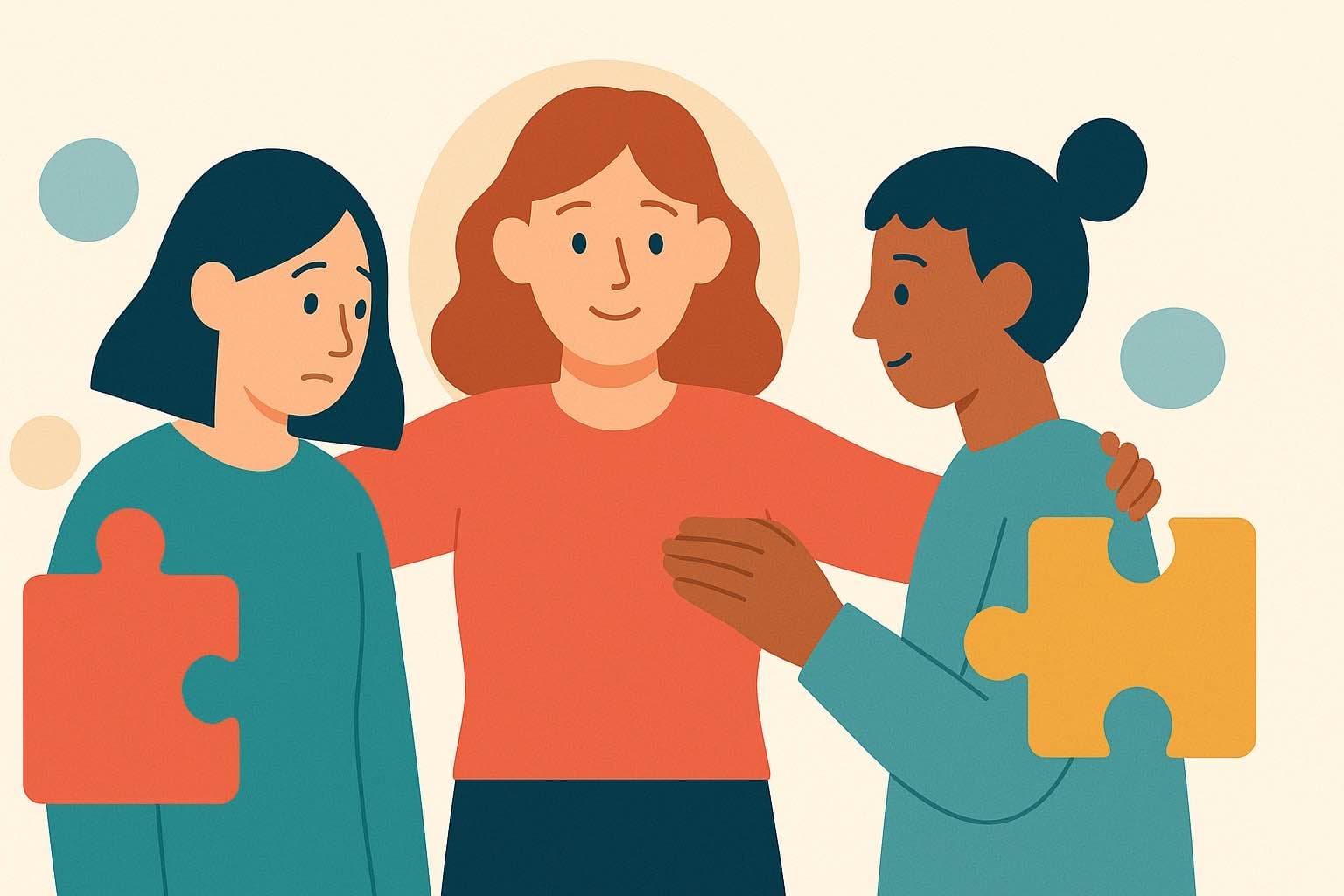
Friend breakups hurt.
Sometimes they hurt more than romantic relationships ending. You've shared years of memories, inside jokes, and vulnerable moments. When that connection breaks, the fallout extends beyond just the two of you.
Key Takeaways
- Address the situation early to prevent gossip and misunderstandings among mutual friends after friendship breakup
- Set clear boundaries about what you're comfortable discussing
- Avoid forcing mutual friends to pick sides
- Focus on your own healing while respecting shared relationships
- Give yourself permission to take space from certain social situations
- Consider professional mediation tools to resolve conflicts constructively
Understanding the Dynamics of Friend Splits
Mutual friends after friendship breakup become an unexpected complication. These are people who care about both of you. They don't want to choose sides. They're confused, uncomfortable, and often caught in the middle of something they never signed up for.
The situation gets messier when you share a whole friend group. Maybe you met through work. Or college. Or a hobby you both loved. Now every group chat, every planned outing, every birthday party becomes a minefield.
Here's what makes it tough: unlike romantic breakups where friends naturally rally around you, friendship breakups carry a different weight. People don't always understand the depth of the loss. They might minimize it. "Just talk it out," they'll say. As if it were that simple.
Why Friendship Breakups Are Different
Romantic relationships have clear social scripts. You break up, you move on, you date other people. Friends understand the process.
Friendship breakups? There's no roadmap. No defined stages of grief that society recognizes. No one brings you ice cream and wine because your best friend betrayed your trust.
The emotional complexity runs deeper because friendships lack the formality of romantic partnerships. There's no "official" status change. No announcement. Just an awkward silence where laughter used to be.
The First 48 Hours Matter
What you do immediately after the split sets the tone for everything that follows.
Take a breath before you text the group chat. Pause before you post that vague status update. Your first instinct might be to explain your side, to get validation, to make sure everyone knows what happened.
Don't.
The impulse to control the narrative is normal. But acting on it creates problems you'll regret later. Here's what to do instead:
Step back from social media. Mute the former friend. Resist the urge to subtweet. Those posts feel cathartic in the moment. They cause damage that lasts.
Reach out to one trusted person. Not twelve people. One. Someone who can hold space for your emotions without running to spread the news. You need to process, not perform.
Give it 48 hours before making decisions. Don't leave group chats yet. Don't cancel plans. Don't send long explanatory texts to mutual friends. Wait until the initial emotional surge passes.
A friend group in Portland discovered this the hard way. When Sarah and Michelle's friendship imploded over a business disagreement, Sarah immediately called every mutual friend to explain her side. By the time Michelle tried to share her perspective, people had already formed opinions. The whole group fractured into factions within a week.
They could have prevented it. If Sarah had waited. If she'd processed privately first. If she'd trusted that her other friendships would survive without her intervention.
Real Example: Using Tools to Navigate the Storm
Consider what happened with James and Marcus in Chicago. Their seven-year friendship ended after a major fight about boundaries and respect. Instead of dragging their mutual friends through the drama, they used Peachi to work through the conflict.
The platform helped them communicate without the emotional reactivity that kept escalating things. They could express their hurt, set boundaries, and get to the root issues without another blowout fight. While they didn't salvage the friendship, they ended things with enough clarity that their mutual friends didn't feel forced to choose sides.
The result? Their friend group stayed intact. Everyone could still hang out without the toxic atmosphere that usually follows messy splits.
Setting Boundaries With Mutual Friends
You need rules. Not for them, for you.
Decide what you're willing to discuss. What topics are off-limits. Which events you'll attend. How much you want to know about your former friend's life.
These boundaries protect your peace. They also protect your other friendships from becoming casualties of the breakup.
What to Communicate
Be direct with mutual friends. Not dramatic, direct. You might say:
"I care about our friendship. I don't want you caught in the middle of what happened between me and [name]. I won't put you in that position."
That's it. Short, clear, respectful.
You're signaling that you value the relationship enough to keep it separate from the conflict. You're removing the pressure they might feel to choose or mediate or fix things.
What to Keep Private
Details of the split belong to you and your former friend. Maybe two or three close confidants need to know the full story. Everyone else gets the basics.
"We grew apart." "We had different values." "The friendship wasn't healthy anymore."
Those phrases work. They're honest without being exposing. They answer questions without inviting more drama.
People will press for details. They'll want to know who did what. Who was right. Who should apologize. Give them nothing to work with.
Not because you're hiding anything. Because it's none of their business.
Drawing Lines at Social Events
You'll need to make calls about which gatherings you'll attend. Some guidelines:
Accept that you might skip some events. Birthday parties. Holiday gatherings. Group trips. If your former friend will be there and you're not ready, it's fine to sit it out.
Communicate your limitations early. Don't wait until the day before to cancel. Give hosts time to adjust. "I won't be able to make it, but I'd love to celebrate with you another time."
Don't make hosts choose. Never put someone in a position where they have to uninvite one person to accommodate another. If you can't handle being in the same space, you're the one who needs to step back.
Communication Strategies That Work
How you talk to mutual friends after friendship breakup determines whether these relationships survive or become collateral damage.
The "Switzerland" Approach
Some mutual friends will want to stay neutral. They'll refuse to take sides. They'll maintain relationships with both of you.
Support this. Encourage it. Tell them you respect their choice.
"I'm glad you're staying close with [name]. You don't have to avoid them because of what happened with us."
This generosity pays off. It shows maturity. It preserves your reputation. It keeps doors open for future healing if that becomes possible.
When Friends Ask Questions
They will ask. People can't help themselves. They're curious. They want to understand. Some genuinely care. Others just want gossip.
Learn to differentiate.
Close friends who check in with empathy deserve honesty. "It's been hard. I'm working through it. Thanks for asking."
Acquaintances fishing for details get redirected. "I'd prefer not to get into specifics. I hope you understand."
The gossips get nothing. "I'm not discussing it." No explanation needed.
Handling Group Chats
Group text threads become awkward fast. Someone mentions getting coffee. Should you suggest a day? What if your former friend says yes to the same time?
Options:
Stay in the chat but participate less. You can lurk without engaging in every conversation. Pop in for major announcements. Stay silent for casual chatter.
Create smaller sub-groups. Text the people you're closest with separately. You don't need to organize everything through the main channel anymore.
Leave gracefully if needed. "I'm taking a break from the group chat for a bit. Text me directly if you need me." No drama. No explanations.
When Mutual Friends Take Sides
Sometimes people choose. Even when you don't ask them to. Even when you explicitly tell them not to.
It hurts. Especially when they choose the other person. Or when someone you thought was your friend suddenly distances themselves.
Why It Happens
People pick sides based on:
- Who they knew first. Original connections often win.
- Whose story they heard first. First impressions stick.
- Who they relate to more. Similar personalities bond.
- What's convenient. Sometimes it's just logistics.
None of this reflects your worth. Remember that.
Someone choosing to maintain a closer relationship with your former friend doesn't mean you were wrong. Doesn't mean you're unlovable. Doesn't mean they secretly hated you all along.
It means relationships are complex. People have different capacities for maintaining connections. Some friendships survive transitions better than others.
How to Handle It
When someone pulls away, let them go. Don't chase. Don't demand explanations. Don't guilt trip.
You could say: "I've noticed we've drifted. I understand if you need space. My door's open if you want to reconnect later."
That's enough. The ball's in their court. You've remained dignified. You've left room for reconciliation without begging for it.
If someone actively turns against you—spreading rumors, making accusations, choosing cruelty—cut them off. Block them if necessary. You don't need to maintain contact with people who weaponize a painful situation.
Building New Friendships
Friend splits often reveal who your real people are. The ones who show up. Who check in. Who don't need the full story to offer support.
Invest in those relationships. Deepen them. Let them remind you that you're still worthy of good friendships.
Meanwhile, stay open to new connections. Join a class. Show up to community events. Say yes to invitations from acquaintances you'd like to know better.
Your social circle doesn't have to shrink permanently. It might shift. Evolve. But it can grow again.
Navigating Social Gatherings
You will end up at the same party eventually. Same wedding. Same work event. Same concert.
Prepare yourself mentally before it happens. Have a plan. Know your exits.
Before the Event
Check who's attending. Ask the host if you need to. "Will [name] be there?" No shame in knowing what you're walking into.
Bring backup. Go with a friend who understands the situation. Someone who'll stick close. Who won't abandon you to chat with others if you're uncomfortable.
Set a time limit. Decide in advance how long you'll stay. Give yourself permission to leave early if needed.
Prepare your response. Practice what you'll say if someone brings up the split. Or if you bump into your former friend. Having words ready reduces anxiety.
During the Event
Keep it civil. A polite nod works. "Hey, how are you?" if you must speak. Then move on. You don't owe anyone a performance of friendship that doesn't exist.
Don't drink too much. Alcohol lowers inhibitions. You might say things you'll regret. Stay in control of yourself.
Avoid mutual friends who love drama. You know who they are. The ones who'll try to get both of you talking. Who want to "help you work it out." Steer clear.
Focus on other connections. Talk to people you haven't seen in a while. Make new friends. Remind yourself why you came.
If Conflict Arises
Sometimes tension bubbles over. Your former friend says something snide. Or you overhear them talking about you. Or someone tries to force a conversation neither of you wants.
Exit the situation. Walk to another room. Step outside. Leave the event if necessary.
Don't engage. Don't defend yourself to an audience. Don't create a scene that everyone will dissect for weeks.
Text the host later if you feel they need an explanation. "I had to leave. Thanks for understanding." That's sufficient.
Protecting Your Mental Health
This whole situation takes a toll. Don't pretend it doesn't.
Signs You're Struggling
Watch for:
- Obsessive thoughts about the former friend or mutual friends
- Anxiety before social events
- Withdrawing from other relationships
- Physical symptoms like headaches or sleep issues
- Constant checking of social media to see what they're posting
- Anger that doesn't fade over time
These are normal reactions to loss. But if they persist for months, you need support.
Getting Help
Talk to a therapist. Someone trained in relationships and grief can help you process the loss. Can teach you coping strategies. Can provide perspective when you're stuck in rumination.
Join a support group. Online communities exist for people navigating friendship breakups. Hearing others' stories helps you feel less alone.
Journal your feelings. Get the thoughts out of your head and onto paper. It reduces the power they have over you.
Exercise and eat well. Basic self-care matters more during stress. Your body needs extra support.
Limit social media. Mute or unfollow anyone whose posts trigger you. You don't need to know what your former friend is doing. You don't need to see mutual friends hanging out without you.
Giving Yourself Grace
Some days you'll handle things perfectly. You'll be mature, boundaried, calm.
Other days you'll cry in your car. You'll draft angry texts you thankfully don't send. You'll spiral into worst-case scenarios.
Both are fine. Healing isn't linear. Recovery from loss takes time. Be patient with yourself.
You're not weak for struggling. You're human for grieving something that mattered.
What Not to Do
Learn from others' mistakes. Avoid these common traps:
Don't Badmouth Your Former Friend
It's tempting. They hurt you. You want validation. You want people to know your side.
But trash talk always backfires. People who hear you constantly criticizing someone else start questioning your character, not theirs. You look bitter. Petty. Unable to move on.
Share your hurt with close friends privately. Keep it out of group settings. Off social media. Away from mutual acquaintances who don't need the full story.
Don't Force Ultimatums
"If you stay friends with them, we can't be friends." Never works. People resent being controlled. They'll often choose the person who isn't making demands.
Trust that your real friends will stick around without pressure. Let the rest go without guilt.
Don't Use Mutual Friends as Messengers
Don't send messages through other people. "Tell them I said..." creates awkwardness. Puts friends in impossible positions. Makes everyone uncomfortable.
If you need to communicate with your former friend, do it directly. Or don't do it at all. Don't triangulate.
Don't Overshare on Social Media
Vague posts about betrayal and fake friends scream desperation. Everyone knows what you're talking about. It doesn't make you look good.
Keep your dignity. Process your emotions offline. Save the public sphere for positive content.
Don't Rush the Healing Process
You can't force yourself to be okay with seeing them. Can't fake comfort at social events. Can't pretend the loss doesn't hurt.
Give yourself time. It might take months to feel normal again. Longer for some situations. That's acceptable.
Rebuilding After the Dust Settles
Eventually, the intense emotions fade. The daily pain lessens. You start thinking about your former friend less often.
This is when reconstruction begins.
Assessing Your Friendships
Look at which mutual friends after friendship breakup stayed close. Who checked in. Who made effort to maintain connection with you.
These are your people. Invest here. Plan regular hangouts. Deepen these bonds. Show gratitude for their presence during a hard time.
Notice who disappeared. Who sided with your former friend. Who ghosted rather than navigate the awkwardness.
You don't need to write them off forever. But you don't need to chase them either. Let those relationships exist at whatever level they naturally settle into.
Creating New Traditions
Old friend groups had rituals. Weekly dinners. Annual trips. Inside jokes and familiar patterns.
Some of those traditions died with the friendship. Build new ones.
Host a monthly game night. Start a book club. Organize hiking trips. Create fresh memories that don't include your former friend.
This helps you stop feeling like you lost everything. You didn't. You still have community. It just looks different now.
Considering Reconciliation
Months or years later, you might wonder if reconciliation is possible. If the friendship could be salvaged in some form.
Ask yourself:
- Has enough time passed for emotions to cool?
- Have both of you grown or changed?
- Are you reaching out from genuine desire or loneliness?
- Can you accept them as they are, not who you wish they'd be?
- Are you prepared for them to say no?
If yes to all, a careful conversation might be worth attempting. Keep expectations low. Focus on closure more than reunion.
If no, leave it alone. Some endings are final. That's okay too.
FAQ
How long does it take to feel normal after a friend breakup?
Most people start feeling better after three to six months. Deep friendships might take longer—up to a year or more. Everyone's timeline differs based on the relationship's length, the split's circumstances, and your support system. Give yourself patience. Healing happens in waves, not straight lines.
Should I apologize even if I don't think I was wrong?
Only apologize for things you own. If you said something hurtful, crossed a boundary, or made a mistake—yes, apologize for that specific action. Don't offer blanket apologies for the relationship ending if you don't mean them. False apologies create false hope and more pain down the line.
What if mutual friends keep asking me what happened?
Create a standard response and stick to it. "We had different expectations for the friendship. I'd prefer not to discuss specifics." Repeat as needed. You don't owe anyone details. Real friends will respect your boundaries. People pushing for gossip reveal their priorities.
Can I still go to events if I know they'll be there?
Yes, but assess your readiness honestly. If seeing them triggers intense emotions or ruins the event for you, maybe skip it this time. If you can be civil and focus on other people, go. Your presence at gatherings isn't conditional on their absence. Just prepare yourself mentally beforehand.
How do I handle it when mutual friends post pictures with my former friend?
Remember that their friendships with that person exist independently of what happened between you two. Mute their stories temporarily if it hurts too much. Resist the urge to comment or like. Focus on your own social connections instead of monitoring theirs. Their relationships aren't a referendum on your worth.
Is it wrong to want mutual friends to choose me over them?
The feeling is normal. The expectation isn't fair. People have the right to maintain relationships with both of you. Pressuring them to choose damages those friendships and makes you look controlling. Focus on building strong individual connections that stand on their own merits, not in opposition to someone else.
What if I regret ending the friendship?
Sit with that feeling before acting. Is it genuine regret or loneliness talking? Did the core issues that caused the split change? Write a letter you don't send. Talk to a therapist. Give it more time. If after honest reflection you still want to reach out, do so with humility and without expectations. Be prepared for rejection.
How do I explain the situation to new friends?
Keep it simple. "I had a friendship end recently. Some of my friend group dynamics are complicated right now." New people don't need the full backstory. They need enough context to understand why you might be navigating social situations carefully. Share more details only with people who earn your trust over time.
Conclusion
Handling mutual friends after friendship breakup tests your maturity. Your boundaries. Your ability to navigate pain while maintaining dignity.
You won't do it perfectly. You'll have moments of weakness. Days when you want to scream your side of the story from the rooftops. Times when you'll resent people for staying friends with someone who hurt you.
Feel those feelings. Then choose your actions carefully.
Because here's what matters: how you handle this situation shapes your character. Defines your other friendships. Determines whether you emerge from this loss with your integrity intact.
Take the high road even when it's harder. Set boundaries without ultimatums. Grieve without gossip. Heal without hatred.
Your friend group might look different when the dust settles. Some people will fall away. Others will grow closer. New faces will appear.
The right people—the ones meant to stay—will stick around. Not because you convinced them. Not because you controlled the narrative. But because they value you for who you are, independent of any drama.
That's what real friendship looks like. The relationships that survive this test prove their strength. Build on that foundation. Trust the process. Give yourself time.
You'll get through this. Different than before, but whole again.
Ready to repair a broken friendship before it's too late? Peachi helps friends work through conflicts with guided conversations and healthy communication tools. Sometimes relationships are worth fighting for—get the support you need to rebuild trust and understanding.
Related Articles

Digital Tools for Friendship Restoration for Teens and College Students: 7 Apps That Actually Work
Discover 7 powerful digital tools that help teens and college students repair broken friendships. From AI coaches to structured conversations, learn how to fix friendships fast.

Digital Tools for Friendship Restoration: How to Blend Online and Offline Repair
Discover proven digital tools and strategies to restore damaged friendships. Learn how to combine online platforms with offline actions for meaningful reconciliation.
Conflict with a Friend? A Step-by-Step Fix
Learn how to fix a friendship after conflict with proven communication strategies, emotional repair techniques, and actionable steps to rebuild trust.

How to Survive a Friend Breakup When You Share the Same Friend Group (Without Losing Your Mind)
Friend breakups hurt worse when you share the same social circle. Learn proven strategies to heal, set boundaries, and navigate awkward group dynamics without losing yourself.