
How to Resolve Conflict with a Friend and Keep the Relationship
Learn proven strategies to resolve friendship conflicts without losing the relationship. Discover how to communicate effectively, rebuild trust, and strengthen your bond after disagreements.
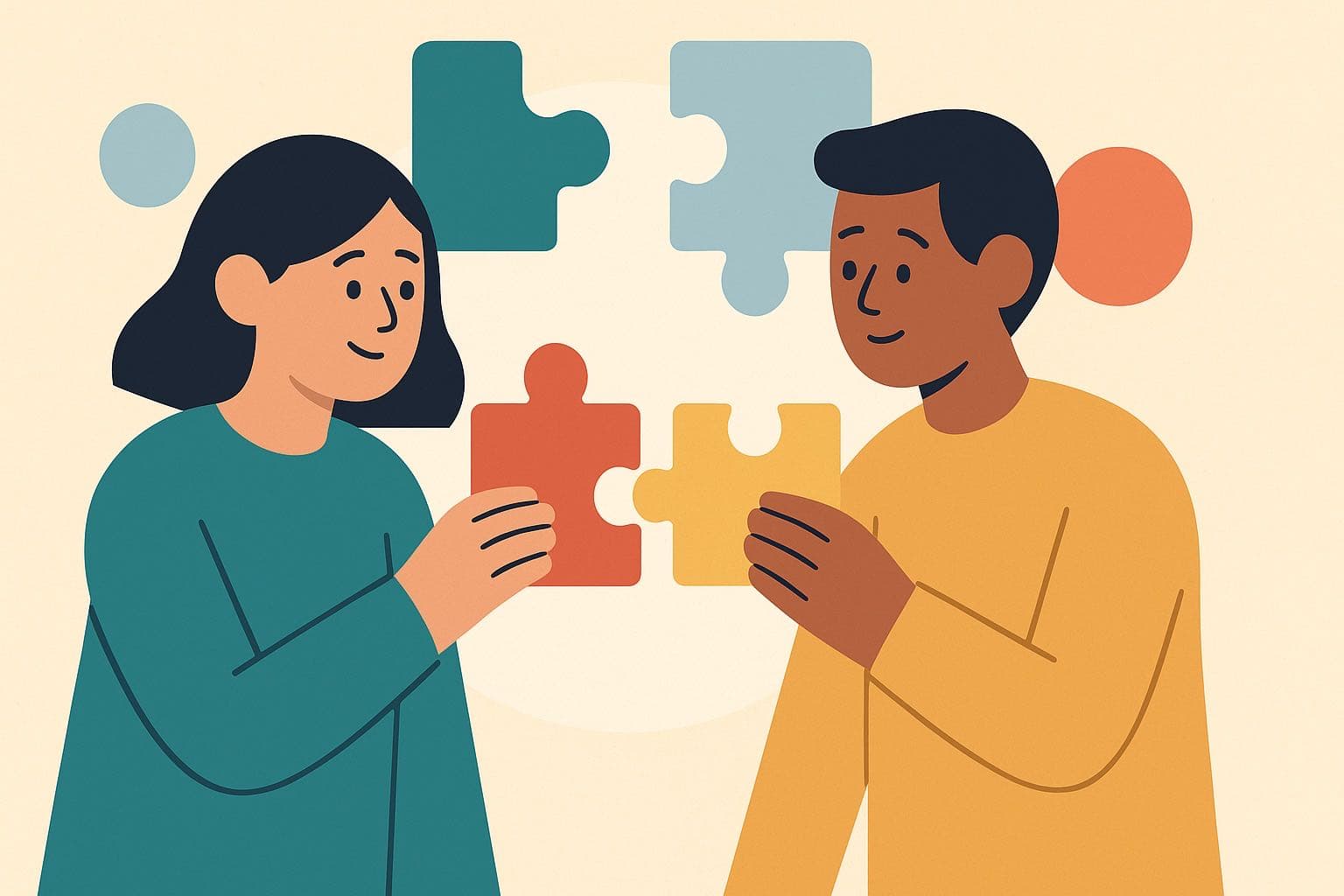
Friendships are some of the most valuable relationships in our lives, but they're not immune to conflict. Whether it's a misunderstanding, a crossed boundary, or accumulated resentments, disagreements with friends can feel devastating. The good news? Most friendship conflicts are solvable—if you approach them with intention and care.
Why Friendship Conflicts Feel So Painful
Unlike romantic relationships or family ties, friendships don't come with built-in resolution frameworks. There's no couples therapy equivalent for friends, no societal script for working through issues. This makes conflicts feel especially vulnerable and scary. Many people would rather ghost a friend than have a difficult conversation, but that approach leaves both parties hurt and wondering what went wrong.
The truth is, conflict in friendship isn't a sign of failure—it's a sign of a real relationship. The strongest friendships aren't the ones that never fight; they're the ones that know how to repair.
Step 1: Cool Down Before You Reach Out
When emotions are running high, our brains aren't wired for productive conversation. Give yourself at least 24-48 hours to process your feelings before initiating a resolution conversation. This doesn't mean suppressing your emotions—it means creating space to understand them.
During this cooling-off period:
- Journal about what happened and how you feel
- Identify the specific behavior or situation that hurt you (not just character judgments)
- Consider your friend's perspective—what might they be feeling or experiencing?
- Reflect on what outcome you actually want from this conversation
Step 2: Initiate the Conversation Thoughtfully
Reaching out after a conflict takes courage. Your opening message sets the tone for everything that follows. Avoid accusatory language or dramatic ultimatums. Instead, express your desire to talk and repair.
Try something like: "Hey, I've been thinking about what happened between us, and I really value our friendship. Could we find time to talk through this? I want to understand your perspective and share mine too."
If you're struggling to find the right words or approach, tools like Peachi.app can help you structure difficult friendship conversations and understand different resolution strategies based on your specific situation.
Step 3: Have the Conversation (The Right Way)
When you do sit down to talk—whether in person, over video call, or through thoughtful messages—the way you communicate matters enormously.
Use "I" statements instead of "you" accusations. Say "I felt hurt when plans changed last minute without communication" rather than "You always flake on me." This focuses on your experience rather than attacking their character.
Listen to understand, not to respond. Your friend's perspective might surprise you. There may be context you weren't aware of, or they may have experienced the situation completely differently. Resist the urge to interrupt or immediately defend yourself.
Acknowledge impact over intent. Even if your friend didn't mean to hurt you, they did. And even if you didn't mean to hurt them, you might have. "I didn't mean it that way" doesn't erase the harm. A sincere "I'm sorry I hurt you, even though I didn't intend to" goes a long way.
Be specific about what you need going forward. Vague resolutions like "let's communicate better" don't create real change. Instead, identify concrete actions: "In the future, if you need to cancel plans, could you let me know at least a few hours in advance?"
Step 4: Rebuild Trust Through Action
An apology or resolution conversation is just the beginning. Trust is rebuilt through consistent behavior over time, not through words alone.
If you committed to a change, follow through on it. If your friend committed to something, give them grace as they work on it (while also holding them accountable). Check in with each other about how things are feeling as you move forward.
Some friendships bounce back quickly after conflict; others need more time and attention. Be patient with the process and with each other.
Step 5: Know When to Walk Away
Sometimes, despite your best efforts, a friendship isn't meant to continue—and that's okay. If you've tried to resolve the conflict and:
- Your friend refuses to acknowledge your feelings or perspective
- The same harmful patterns keep repeating despite conversations
- You feel consistently drained, disrespected, or unsafe in the friendship
- The relationship has become one-sided
It may be time to create distance or end the friendship altogether. This doesn't mean the friendship failed—it means it served its purpose for a season, and now it's time to move on.
Preventing Future Conflicts
The best way to handle friendship conflict is to minimize unnecessary ones through healthy relationship habits:
Communicate expectations early. Don't assume your friend knows what you need or how you operate. Talk about communication styles, boundaries, and values before issues arise.
Address small issues before they become big ones. That minor annoyance you keep brushing off? It's going to build up. Mentioning things gently when they're small prevents explosive conversations later.
Practice repair in low-stakes moments. Get comfortable with small apologies and brief check-ins: "Hey, I think I came across harsh earlier—are we good?" This builds the muscle for bigger conversations when needed.
The Bottom Line
Conflict with a friend doesn't have to mean the end of your relationship. In fact, working through disagreements successfully can make your friendship stronger and deeper than before. It proves that your bond can weather difficulties and that both of you are committed to the relationship.
The key is approaching conflict with curiosity rather than defensiveness, prioritizing the relationship over being right, and doing the vulnerable work of honest communication.
Ready to Fix Things with Your Friend?
Navigating friendship conflict is hard, but you don't have to figure it out alone. Peachi.app helps you work through disagreements with friends using personalized guidance, conversation frameworks, and resolution strategies designed specifically for friendship dynamics.
Whether you need help starting the conversation, understanding what went wrong, or deciding whether the friendship is worth saving, Peachi gives you the tools to move forward with clarity and confidence.
Stop letting conflict ruin great friendships. Try Peachi.app today and start repairing what matters.
Related Articles

Digital Tools for Friendship Restoration for Teens and College Students: 7 Apps That Actually Work
Discover 7 powerful digital tools that help teens and college students repair broken friendships. From AI coaches to structured conversations, learn how to fix friendships fast.
Digital Tools for Friendship Restoration: How to Blend Online and Offline Repair
Discover proven digital tools and strategies to restore damaged friendships. Learn how to combine online platforms with offline actions for meaningful reconciliation.
Conflict with a Friend? A Step-by-Step Fix
Learn how to fix a friendship after conflict with proven communication strategies, emotional repair techniques, and actionable steps to rebuild trust.

How to Survive a Friend Breakup When You Share the Same Friend Group (Without Losing Your Mind)
Friend breakups hurt worse when you share the same social circle. Learn proven strategies to heal, set boundaries, and navigate awkward group dynamics without losing yourself.