
How to Resolve Conflict with a Friend Who's Avoiding You: A Complete Guide to Rebuilding Trust
Discover proven strategies to resolve conflict with a friend who's avoiding you. Learn how to rebuild trust, initiate difficult conversations, and restore your friendship with expert-backed approaches.
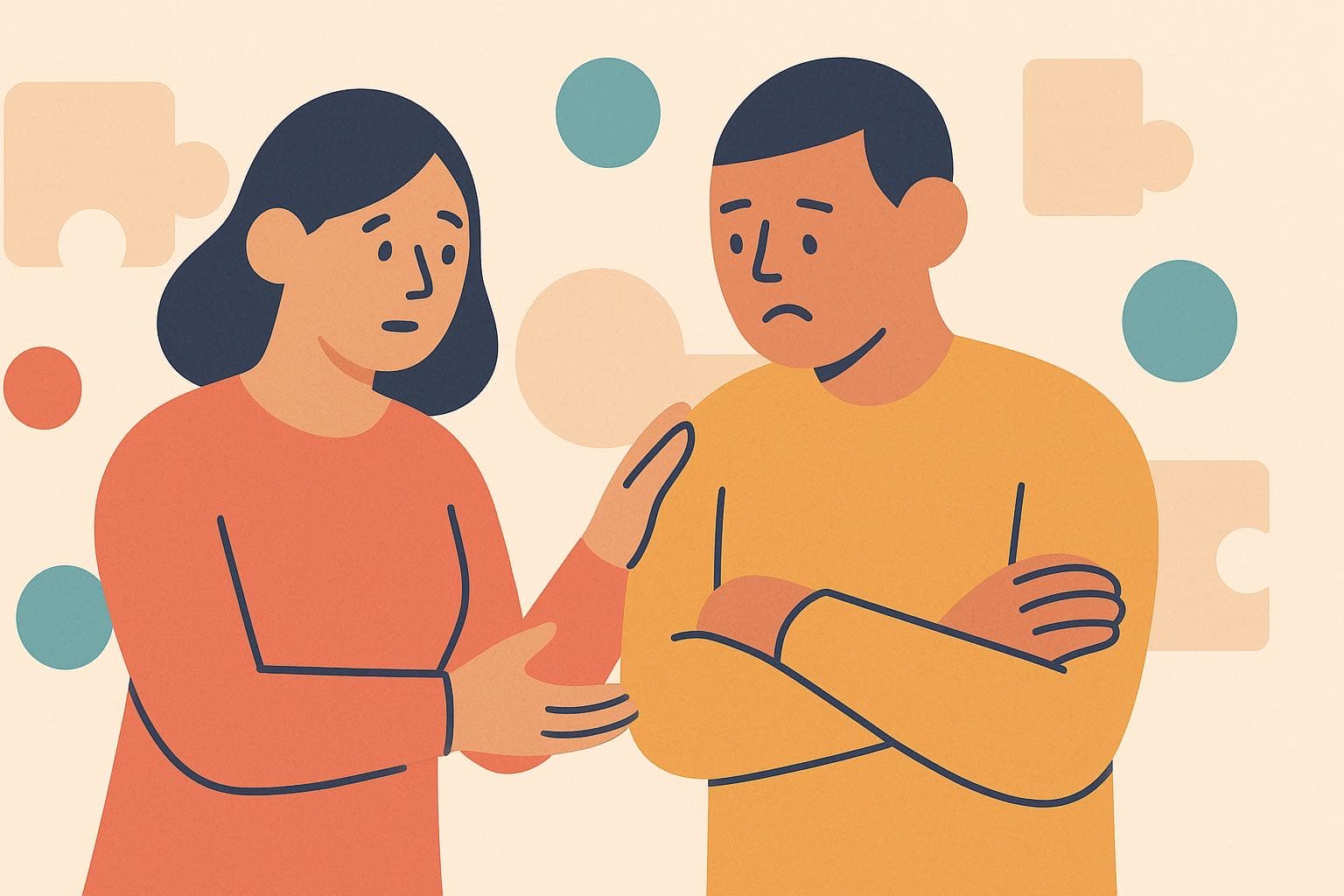
You've texted. You've called. You've sent memes that used to make them laugh.
Nothing.
Your friend is ghosting you, and you have no idea why. The silence hurts more than any argument ever could.
When someone you care about starts avoiding you after a conflict, it feels like standing outside a locked door, knowing your friend is on the other side but refusing to answer. Research shows people will often sacrifice important relationships to avoid uncomfortable conversations, sometimes losing friendships to pride and ego rather than addressing issues directly.
This guide will show you how to break through that silence, address the underlying conflict, and rebuild your friendship with practical, proven strategies.
Understanding Why Your Friend Is Avoiding You
Before you can fix the problem, you need to understand what's happening beneath the surface.
The Psychology Behind Avoidance
The silent treatment operates as both a defense mechanism and a weapon, shielding the person giving it from emotional discomfort while simultaneously creating distance in the relationship. Your friend isn't necessarily trying to hurt you. They might be:
Overwhelmed by emotions. When feelings become too intense, some people shut down completely. They need time to process before they can talk.
Afraid of confrontation. For many people, silence feels safer than verbalizing anger, especially if they fear escalation or feel uncomfortable with vulnerability. Not everyone learned healthy conflict resolution skills growing up.
Protecting themselves. People with avoidant attachment styles might become defensive or withdraw during conflicts, sometimes even cutting ties because they'd rather walk away than be exposed to emotional pain.
Trying to punish you. In some cases, the silent treatment is used deliberately to control or manipulate. This is the least charitable interpretation, but it happens.
Warning Signs of Deeper Issues
The silent treatment crosses into emotional abuse territory when it's a frequent occurrence lasting for extended periods, comes from a place of punishment rather than needing space, and only ends when you apologize or give in to demands.
If your friend's avoidance includes these red flags, you might need to reassess whether the friendship is healthy:
- They've done this repeatedly in past conflicts
- They refuse to engage even when you offer multiple olive branches
- They spread rumors or turn other friends against you
- They make you feel like you're walking on eggshells
How to Break the Silence and Start the Conversation
Getting someone who's avoiding you to talk isn't easy. But with the right approach, you can open the door to dialogue.
Give Them (and Yourself) Space First
When there is a conflict or heated fight with a friend, most people benefit from taking some time and space to cool down before trying to talk through things. Don't rush in immediately after the conflict.
Wait a few days. Let emotions settle. Use this time to:
- Calm your own reactions
- Reflect on what happened from multiple angles
- Figure out what you want to say
- Decide if the friendship is worth fighting for
A healthy approach to conflict involves getting out of your reptile brain and into your prefrontal cortex, the part that allows you to think rationally.
Craft Your First Message Carefully
Don't blindside your friend by springing a heavy conversation on them without warning. Send a brief text letting them know you want to chat about something that's been on your mind.
Your initial outreach should be:
Simple. "Hey, can we talk? I miss you."
Non-accusatory. Avoid "Why are you ignoring me?" Instead: "I've noticed we haven't talked in a while."
Specific about your intentions. "I'd like to understand what happened and work through it together."
Flexible. "When you're ready, I'm here."
Here's a message template that works:
"Hey [Name], I know things have been weird between us lately. I care about our friendship and would love to talk when you're ready. No pressure. I just want you to know I'm here."
Choose the Right Communication Channel
When dealing with more pressing issues, consider the pros and cons of different communication methods. Some people prefer written words, some like to hear your voice, and some want to see your face.
Text or email works if:
- Your friend needs time to process before responding
- They're uncomfortable with face-to-face confrontation
- You want to carefully word your thoughts
Phone calls work if:
- You can read tone better than text
- You want to avoid misunderstandings
- The issue isn't too complex
In-person meetings work best for:
- Serious conflicts requiring nuance
- When you need to rebuild emotional connection
- Showing you care enough to show up
If they don't respond to one method, try another. Tools like Peachi.app can help you navigate which approach might work best based on your friendship dynamic and communication styles.
How to Have the Difficult Conversation
Your friend agreed to talk. Now what?
Set the Right Tone from the Start
One technique therapists recommend: name the situation, say how you're feeling, and explain how you want to resolve it.
Structure your conversation like this:
What happened: "Last month when we made plans, I canceled twice without much explanation."
How you feel: "I feel hurt that we haven't talked since then, and I'm worried about our friendship."
What you want: "I'd like to understand your perspective and figure out how we can move forward."
Listen More Than You Talk
Listen carefully to what is being said, and if you don't understand, ask clarifying questions. You don't have to agree with what the other person is saying, but you can demonstrate an empathetic and sincere effort to understand where they're coming from.
Stop planning your defense while they're talking. Repeat what you heard: "So what I'm hearing is that you felt disrespected when I canceled. Is that right?"
Take Responsibility for Your Part
It's important to take responsibility for your actions and acknowledge any ways you've contributed to the conflict. This doesn't mean taking all the blame, but rather recognizing your part in the conflict and being willing to make amends.
Even if you didn't mean to hurt them, you still did. Own that.
"I understand that my actions hurt you, even though that wasn't my intention. I'm sorry."
Avoid These Conversation Killers
Don't generalize. Avoid generalizing, which is an easy thing to do when feeling hurt. Skip "you always" or "you never."
Don't bring up the past. When trying to fix a friendship after a falling out, focus on the present and don't bring up past problems or disputes, as doing so can create more tension and make it harder to move forward.
Don't get defensive. The conversation will derail if both of you are in defense mode. Stay curious, not combative.
Find Common Ground
Finding common ground can be a powerful way to resolve conflicts with a friend. Look for areas where you both agree, and build upon them.
You both want the friendship to survive. Start there.
Rebuilding Trust After the Conflict
The conversation went well. You've cleared the air. Now comes the hard part: rebuilding what was broken.
Understand That Healing Takes Time
Friendships take time to build, and they also take time to rebuild, especially if trust has been broken. Don't expect things to go right back to normal once you and a friend talk through things.
Be patient. Your friendship won't instantly return to how it was before.
Take Small Steps Forward
Work on gradually re-establishing closeness by calling or texting your friend occasionally to check in, spending short periods of time together after working things out, and doing activities together instead of intense one-on-one conversations.
Start with coffee, not an all-day adventure. Build slowly.
Show Up Consistently
An apology focuses on the impact of your actions rather than just an explanation of your intentions. Trust isn't rebuilt overnight, but consistent, caring behavior helps to restore emotional closeness.
Your actions matter more than your words. If you said you'd be more reliable, be more reliable.
Accept the New Normal
If things can't go back to the way they were pre-conflict, consider whether you can stay friends in a more casual way. Not all friendships last a lifetime in their original form, and that's okay.
Your friendship might look different now. That doesn't mean it's less valuable.
When to Let Go
Sometimes, despite your best efforts, the friendship can't be saved.
Signs It Might Be Time to Walk Away
They refuse to engage. You've tried multiple times, and they won't respond or participate in resolution.
The dynamic is toxic. If the silent treatment is part of a larger pattern of abuse, whether verbal, physical, or psychological, it's important to reach out for support.
You've compromised your values. Unhealthy relationships are not worth it if they force you to compromise your principles or subvert your self-respect.
The effort is one-sided. Rebuilding a friendship is a two-way process, and both parties must be willing to try to repair it. If one person is unwilling, it may be impossible to rebuild.
How to Make Peace with Ending
Not every friendship is meant to last forever. Some relationships serve their purpose and then naturally conclude.
Conflict is an opening to recalibrate and improve a friendship, and it conveys mutual investment. Don't give up on friendships because one issue has arisen, but also recognize when the fundamental dynamic no longer serves both people.
You can honor what the friendship meant while accepting that it's over.
Preventing Future Conflicts
Once you've resolved this conflict, how do you avoid repeating the pattern?
Build Better Communication Habits
Set expectations early. Talk about how you both prefer to handle disagreements. Some friends need space; others need immediate resolution.
Different friends play different roles in your lives, and those roles shift and change as you age. Difficulties often come from putting friends in roles they're not best suited for.
Address Small Issues Before They Explode
Don't let your group members know what you need from them for the project to be a success only at the end. If you address problems early, they don't have to fester and become worse than they need to be.
Don't let resentment build. If something bothers you, mention it sooner rather than later.
Practice Empathy Regularly
Empathy is the ability to understand and share the feelings of others. Try to see the situation from your friend's perspective by considering their emotions, experiences, and background.
When you make empathy a habit, conflicts become easier to navigate.
Frequently Asked Questions
What if my friend never responds to my attempts to talk?
If your friend isn't talking to you, calmly tell them that you'd like to talk and that you're willing to listen whenever they're ready. You can't force someone to talk to you, and if they're not ready, try to let it go for now. After multiple attempts, you may need to accept that they've chosen to end the friendship.
How long should I wait before reaching out after a fight?
Give it a few days to a week depending on the severity of the conflict. Both of you need time to process emotions before productive conversation can happen.
Is it normal for friendships to feel awkward after conflict?
Friendships may require time to settle back into normal post-conflict, and lingering uncomfortable feelings may require further attention. If it's still awkward, this might suggest that not everyone got to share their side and feel heard. Consider having another conversation to clear remaining air.
What if I don't know what I did wrong?
Ask directly but gently: "I've noticed things feel off between us, but I'm not sure what happened. Can you help me understand?" Be prepared to hear difficult feedback without getting defensive.
Can a friendship survive if only one person wants to fix it?
Unfortunately, no. Both people need to be invested in the repair process. If only one person is trying, the friendship will remain imbalanced and ultimately unsatisfying.
How do I know if my friend is avoiding me or just busy?
Look at patterns. Someone who's busy might take time to respond but will eventually engage. Someone avoiding you will consistently make excuses, give short responses, or not respond at all despite being active elsewhere.
Taking the First Step Toward Resolution
Resolving conflict with a friend who's avoiding you takes courage. You're putting yourself out there, risking rejection, and facing uncomfortable emotions head-on.
But here's what you gain: the possibility of a deeper, stronger friendship. Conflict is a sign of depth. If you're willing to have a fight with a friend, it means you're close to that friend. There's a lot to be gained from having the conflict and then from repairing. Friendships get deeper through this tear-and-repair process.
The friends worth keeping are the ones worth fighting for.
Start with one small step. Send that message. Make that call. Show up.
Your friendship might be waiting on the other side of this difficult conversation.
Ready to Fix Your Friendship? Let Peachi Help
Navigating conflict with a friend who's avoiding you is hard. You need the right words, the right timing, and the right approach.
Peachi.app takes the guesswork out of friendship repair. Our platform helps you understand communication patterns, craft effective messages, and rebuild trust with friends who've pulled away. Whether you're dealing with avoidance, silence, or unresolved tension, Peachi gives you personalized guidance based on your unique friendship dynamic.
Don't let a fixable conflict destroy a valuable friendship. Start repairing your friendship with Peachi today and get expert-backed strategies tailored to your situation.
Related Articles

Digital Tools for Friendship Restoration for Teens and College Students: 7 Apps That Actually Work
Discover 7 powerful digital tools that help teens and college students repair broken friendships. From AI coaches to structured conversations, learn how to fix friendships fast.

Digital Tools for Friendship Restoration: How to Blend Online and Offline Repair
Discover proven digital tools and strategies to restore damaged friendships. Learn how to combine online platforms with offline actions for meaningful reconciliation.

Conflict with a Friend? A Step-by-Step Fix
Learn how to fix a friendship after conflict with proven communication strategies, emotional repair techniques, and actionable steps to rebuild trust.

How to Survive a Friend Breakup When You Share the Same Friend Group (Without Losing Your Mind)
Friend breakups hurt worse when you share the same social circle. Learn proven strategies to heal, set boundaries, and navigate awkward group dynamics without losing yourself.