
Is It Worth Fixing a One-Sided Friendship? 5 Signs to Check First
Discover 5 clear signs of one sided friendship and learn whether it's worth fixing. Expert tips on setting boundaries and protecting your mental health.
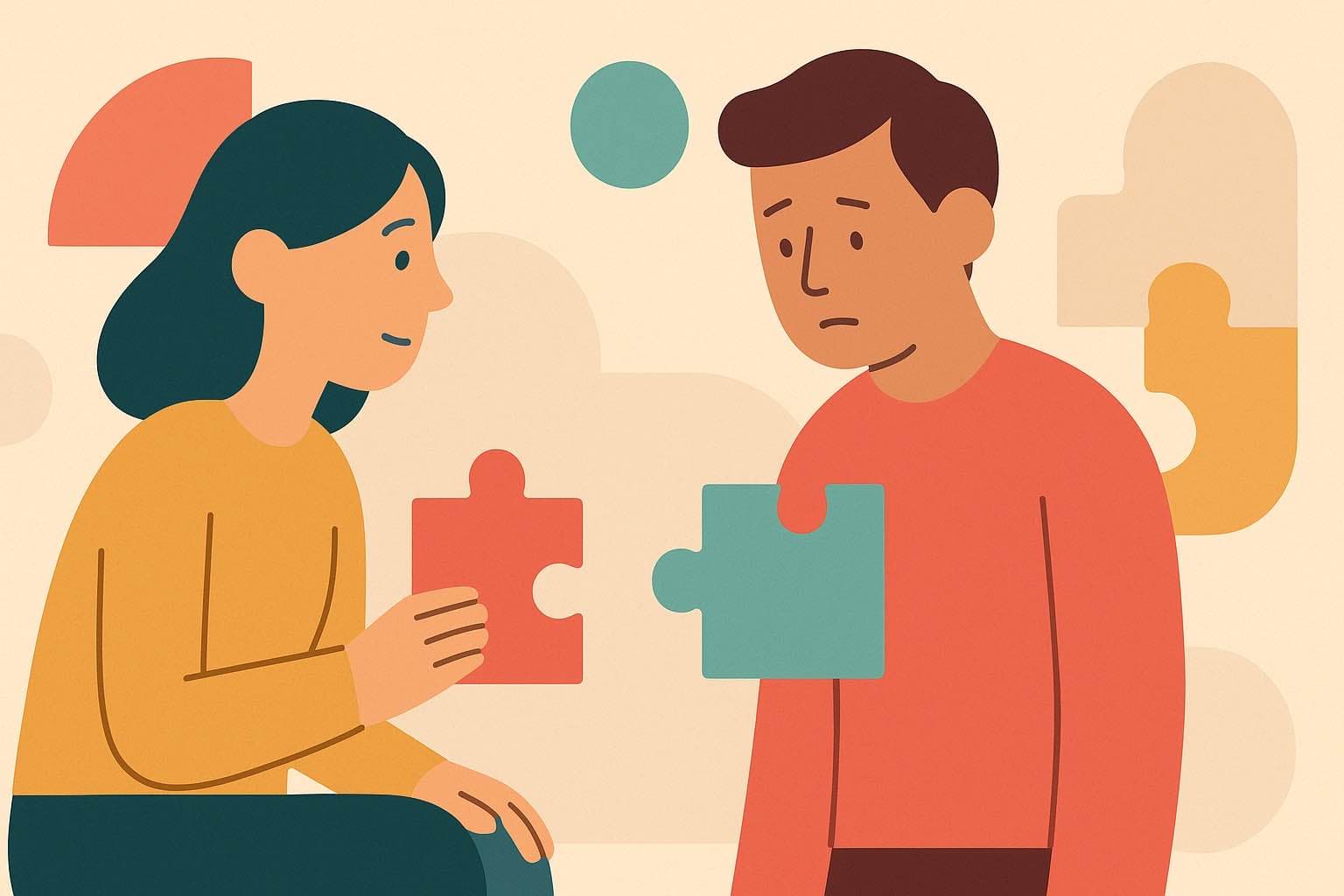
Ever feel like you're the only one keeping a friendship alive? You're not imagining things. Signs of one sided friendship are real, and they're more common than you think.
That constant feeling of giving more than you get isn't just exhausting—it's a red flag waving right in your face. But here's the thing: not every unbalanced friendship needs to end. Sometimes, a good conversation can flip the whole dynamic.
Take Sarah and Mike's story. After years of Sarah initiating every hangout and shouldering Mike's problems while he disappeared during her tough times, she almost gave up. Instead, they used Peachi, a conflict resolution app, to have the conversation they'd been avoiding. Mike hadn't realized how his actions affected Sarah. Six months later, their friendship is stronger than ever.
But that's not always how it goes. Sometimes, walking away is the healthiest choice you can make.
Key Takeaways
- Signs of one sided friendship include unequal effort, lack of emotional support, and feeling drained after interactions
- Not all imbalanced friendships are worth saving—recognize when to let go
- Communication can transform a one-sided dynamic if both parties want change
- Your emotional wellbeing matters more than maintaining toxic connections
- Professional mediation tools can help navigate difficult friendship conversations
Understanding the Reality of One-Sided Friendships
What Makes a Friendship One-Sided?
A one-sided friendship happens when one person carries most of the emotional labor. You're always the one texting first. Planning meetups. Remembering birthdays. Offering support.
Meanwhile, your friend? They show up when it's convenient. They take your energy but rarely give it back. They treat your friendship like a backup plan, not a priority.
This imbalance creates a toxic cycle. You give more to compensate for their lack of effort. They get comfortable taking. The pattern continues until you're completely drained.
Why Do People Stay in Imbalanced Friendships?
Fear keeps people stuck. Fear of confrontation. Fear of loneliness. Fear of being "mean" for setting boundaries.
There's also hope. Hope that things will change. Hope that your friend will suddenly realize your worth. Hope that the "old days" will come back.
Plus, society tells us loyalty means sticking around no matter what. We're taught that good friends don't give up. But loyalty without reciprocation isn't noble—it's self-destructive.
The 5 Critical Signs of One Sided Friendship to Check First
Sign #1: You're Always the Initiator
Your texts go unanswered for days. When they finally respond, it's brief. No follow-up questions. No genuine interest.
You plan every hangout. Choose every restaurant. Suggest every activity. Without your effort, you'd never see each other.
Here's a test: Stop initiating for two weeks. If they don't reach out once, you have your answer.
This pattern reveals their priorities. You're not on the list. Sure, they might enjoy your company when you make it easy for them. But friendship requires effort from both sides.
Sign #2: They Only Call When They Need Something
Their name pops up on your phone. Your heart lifts—finally, they're reaching out! Then comes the ask.
"Can you help me move?" "I need advice about my job." "Can I borrow some money?"
After you help? Radio silence. Until the next crisis hits.
Real friends check in without needing something. They ask how you're doing and actually listen to the answer. They remember your struggles and follow up later.
If your friend only remembers you exist when they need support, you're not a friend. You're a resource.
Sign #3: Your Problems Are Always Minimized
You share something bothering you. Their response? "That's not a big deal" or "At least you don't have my problems."
Every conversation becomes a competition they have to win. Your bad day at work triggers a monologue about their worse day. Your relationship troubles launch their dating horror stories.
Emotional support should flow both ways. Friends validate your feelings. They make space for your struggles without making it about them.
When someone constantly minimizes your experiences, they're telling you something important: Your feelings don't matter to them.
Sign #4: You Feel Drained After Every Interaction
Friendship should energize you. Sure, supporting someone through tough times can be tiring. But overall? Time with friends should lift you up.
If you consistently feel exhausted after hanging out, pay attention. Do you dread their calls? Feel relieved when plans cancel? Need recovery time after seeing them?
That's not normal. That's your body telling you this relationship is toxic.
Energy vampires disguise themselves as friends. They dump their problems, absorb your positivity, then leave you depleted. Real friends create energy together. They don't just take yours.
Sign #5: They're Never Happy for Your Success
You get a promotion. Their response? "Must be nice" or "Lucky you."
You share good news. They immediately change the subject or find a negative angle.
Your wins make them uncomfortable. Instead of celebrating with you, they compete. Criticize. Compare.
Genuine friends celebrate your victories like their own. They brag about you to others. Your success makes them happy, not threatened.
If your friend can't genuinely celebrate your achievements, they're not really your friend. They're keeping you around to feel better about themselves.
Evaluating Whether the Friendship Is Worth Saving
When Communication Can Fix Things
Sometimes people don't realize they're being one-sided. Life gets busy. Stress takes over. They assume you're fine because you never complain.
If your friend has shown care before, try talking. Be specific about what you need. "I feel hurt when you cancel plans last minute" works better than "You're a bad friend."
Watch their response carefully. Do they get defensive or take responsibility? Do they make real changes or empty promises?
Actions matter more than apologies. Give them a chance to change, but set a deadline in your mind. Three months is reasonable. If nothing improves, you have your answer.
When It's Time to Walk Away
Some friendships can't be saved. When someone repeatedly shows they don't value you, believe them.
Walk away when:
- They mock your boundaries
- They blame you for their behavior
- They promise change but never follow through
- You've had the same conversation multiple times
- They make you feel bad about yourself
You can't force someone to be a good friend. You can only control your own choices. Choose yourself.
The Gray Area: Adjusting Expectations
Not every friendship needs to be deep. Some friends are great for parties but terrible for emotional support. Others give amazing advice but suck at making plans.
Maybe your one-sided friendship can survive with adjusted expectations. Downgrade them from best friend to casual acquaintance. Stop expecting what they can't give.
This only works if you're genuinely okay with less. If you'll resent them for not being more, walking away is kinder for everyone.
How to Address a One-Sided Friendship
Having the Difficult Conversation
Pick a neutral time. Not during an argument. Not when either of you is stressed.
Start with "I" statements. "I feel unheard when..." instead of "You never listen."
Be specific. Vague complaints lead to vague promises. Give concrete examples of what bothers you and what you need instead.
Stay calm. If they get defensive, don't match their energy. Take breaks if needed. This isn't about winning—it's about understanding each other.
Setting Boundaries Without Guilt
Boundaries aren't mean. They're necessary. You're allowed to say:
- "I can't always be available for crisis calls"
- "I need friends who also check in on me"
- "I won't keep plans with someone who constantly cancels"
People who respect you will respect your boundaries. Those who don't? They've shown you who they are.
Stop apologizing for having needs. Stop feeling guilty for expecting reciprocation. Real friendship is mutual respect, not one-person sacrifice.
Creating Space for Change
After the conversation, step back. Give them room to process and adjust. Don't immediately test them or demand instant change.
But also—protect yourself. Don't pour energy into hoping. Focus on other friendships. Build new connections.
If they step up, great. If not, you're already moving forward.
Signs It's Working vs. Signs to Let Go
Positive Changes to Watch For
Real change looks like:
- They initiate contact without needing something
- They remember things you've told them
- They follow through on plans
- They ask about your life and listen to answers
- They respect your boundaries without complaint
These changes should be consistent. One good week doesn't erase months of imbalance. Look for patterns, not moments.
Red Flags That Nothing Will Change
Warning signs include:
- They blame you for the friendship problems
- They make you feel guilty for speaking up
- They promise change but take no action
- They turn mutual friends against you
- They only improve temporarily, then revert
When you see these patterns, it's over. Stop waiting for someone to become who you need them to be.
The Impact on Your Mental Health
Recognizing Emotional Exhaustion
One-sided friendships destroy your mental health slowly. You might not notice at first.
The signs creep in:
- Anxiety before seeing them
- Guilt when you can't help them
- Resentment that feels "mean"
- Questioning if you're asking too much
- Feeling lonely even when they're around
This emotional exhaustion affects everything. Your work. Your other relationships. Your self-worth.
You start believing you're not worth equal effort. That asking for reciprocation makes you needy. That's the poison of one-sided friendships—they rewire how you see yourself.
Protecting Your Emotional Energy
Your emotional energy is finite. Every minute spent on someone who doesn't value you is a minute stolen from people who do.
Start treating your energy like money. Would you keep investing in something with no return? Would you keep lending to someone who never pays back?
Set limits. Decide how much energy you'll spend on imbalanced relationships. When you hit that limit, stop. No guilt. No explanations needed.
Building Healthier Friendships Moving Forward
Identifying Reciprocal Relationships
Healthy friendships feel easy. Not because there's no effort, but because both people contribute.
Look for people who:
- Remember details about your life
- Make time even when busy
- Share equally in conversations
- Support you without keeping score
- Celebrate your wins enthusiastically
These people exist. You deserve friendships with them. Stop settling for less because you're afraid of being alone.
Learning From Past Patterns
Why did you accept one-sided treatment? Understanding this prevents future repetition.
Common patterns include:
- People-pleasing tendencies
- Fear of confrontation
- Low self-esteem
- Childhood experiences with conditional love
- Previous toxic relationships
Recognizing your patterns helps break them. You can't change what you don't acknowledge.
Consider therapy if these patterns run deep. There's no shame in getting help to build healthier relationships.
Frequently Asked Questions
How do you know if you're in a one-sided friendship?
You're always initiating contact, your problems get dismissed while theirs dominate conversations, and you feel drained after spending time together. If you stopped reaching out, the friendship would likely disappear within weeks.
Can a one-sided friendship become balanced?
Yes, if both people want change. Open communication about needs and boundaries can transform imbalanced dynamics. However, this requires genuine effort from the friend who's been taking more than giving. Without their commitment to change, balance remains impossible.
What are the most obvious signs of one sided friendship?
The clearest signs include: they only contact you when they need something, they consistently cancel plans but expect you to be available, they show no interest in your life beyond surface level, and they never initiate activities or check-ins.
Should I confront a friend about our one-sided friendship?
Yes, if you value the friendship and believe they might be unaware of the imbalance. Use specific examples and "I feel" statements. Their response will reveal whether the friendship is worth continuing.
How do you end a one-sided friendship?
You can either have a direct conversation explaining why you're stepping back, or gradually reduce contact until the friendship naturally fades. Choose based on the friendship's history and your emotional capacity for confrontation.
Why do I keep attracting one-sided friendships?
Often it stems from people-pleasing tendencies, difficulty setting boundaries, or low self-worth. You might unconsciously choose friends who need caretaking because it feels familiar or gives you purpose. Therapy can help identify and break these patterns.
Conclusion: Your Worth Isn't Negotiable
Signs of one sided friendship aren't just red flags—they're stop signs. They're telling you this relationship is harming you.
You deserve friends who match your energy. Who celebrate your wins. Who show up without being asked. Who make you feel valued, not drained.
Sometimes fixing a one-sided friendship means ending it. That's not failure. That's self-respect.
For those relationships worth saving, communication is key. Be honest about your needs. Set clear boundaries. Give them a chance to step up—but don't wait forever.
Your emotional wellbeing matters more than maintaining a toxic connection. Choose friendships that add to your life, not subtract from it.
Ready to have that difficult conversation with a friend? Sometimes an outside perspective helps navigate these emotional waters. Peachi provides a safe space to work through friendship conflicts with guided mediation tools. Don't let fear of confrontation keep you stuck in draining relationships. Your mental health is worth the conversation.
Related Articles

Digital Tools for Friendship Restoration for Teens and College Students: 7 Apps That Actually Work
Discover 7 powerful digital tools that help teens and college students repair broken friendships. From AI coaches to structured conversations, learn how to fix friendships fast.
Digital Tools for Friendship Restoration: How to Blend Online and Offline Repair
Discover proven digital tools and strategies to restore damaged friendships. Learn how to combine online platforms with offline actions for meaningful reconciliation.
Conflict with a Friend? A Step-by-Step Fix
Learn how to fix a friendship after conflict with proven communication strategies, emotional repair techniques, and actionable steps to rebuild trust.

How to Survive a Friend Breakup When You Share the Same Friend Group (Without Losing Your Mind)
Friend breakups hurt worse when you share the same social circle. Learn proven strategies to heal, set boundaries, and navigate awkward group dynamics without losing yourself.