
Navigating Friend Breakups in Adulthood: Your Guide to Healing and Moving Forward
Friend breakups in adulthood hurt more than romantic splits. Learn why friendships end, how to heal, and practical steps to rebuild your social life with compassion.
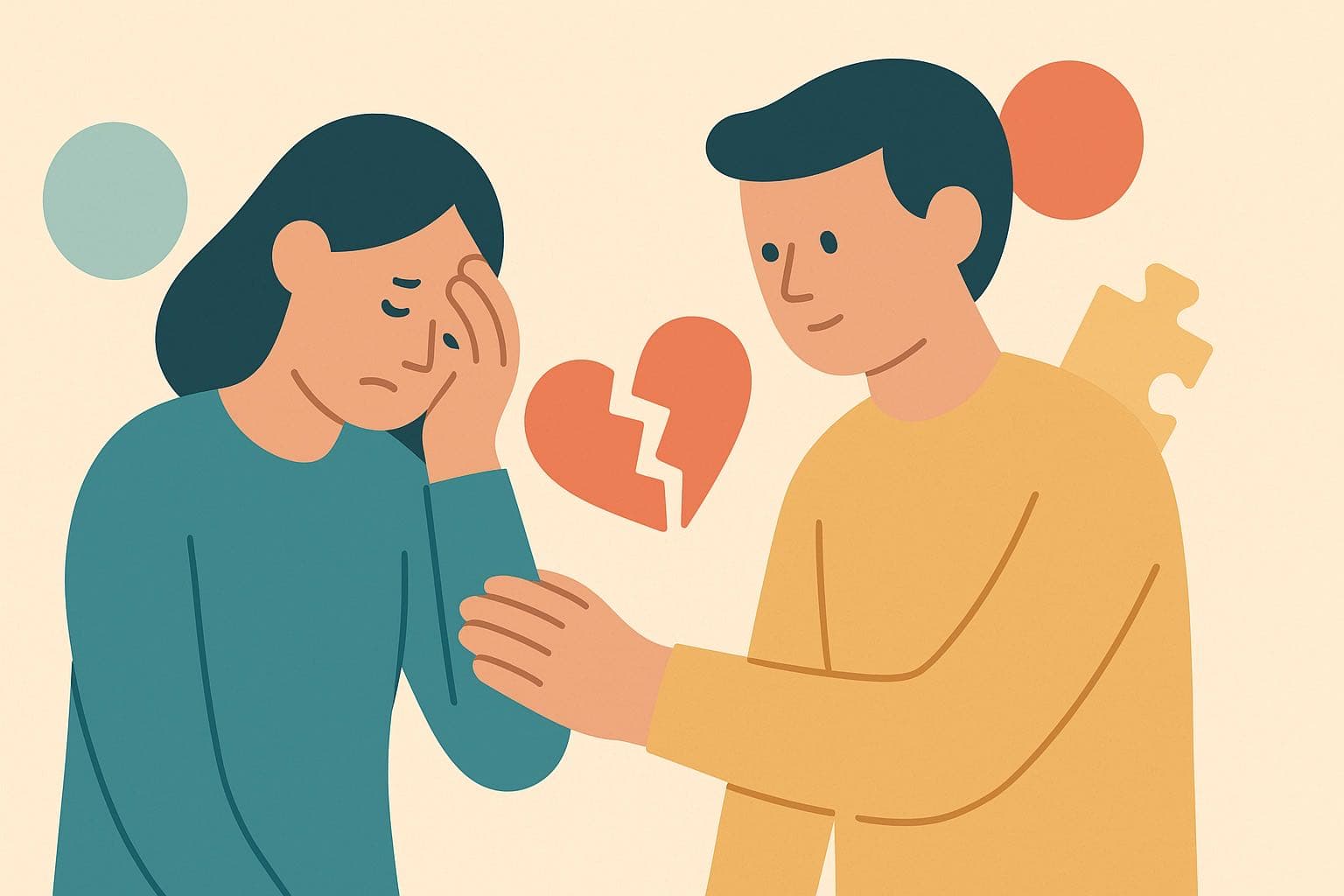
You wake up and reach for your phone. There's a gap where a daily text used to be.
Your brain knows the friendship is over. Your heart hasn't caught up yet.
Adult friend breakups don't get the airtime romantic breakups receive. There's no break-up playlist. No social script. No one brings you ice cream and wine.
But the pain? It's real. Sometimes worse than losing a romantic partner.
Research from Harvard University found that 61% of young adults experience serious loneliness. Part of that stems from friendships that fade or fracture without warning.
Here's the thing nobody tells you: losing a friend in your 30s, 40s, or beyond isn't a personal failure. It's a normal (though painful) part of life. You're not broken. You're human.
This guide walks you through understanding why adult friendships end, processing the grief, and building healthier connections moving forward. Whether you're dealing with a sudden blow-up or a slow fade, you'll find practical steps to heal.
Understanding Why Adult Friendships End
Friendships shift as we age. The bonds that felt unbreakable at 22 can feel strained by 35.
As many as 70% of close friendships and 52% of other social connections fade after seven years. That's not because you're doing something wrong. Life simply changes.
Common Reasons Friendships Dissolve
Life transitions create distance
You moved cities. They had kids. You switched careers. Suddenly, you're living in different worlds with different schedules and priorities.
Values and interests diverge
The friend who partied with you every weekend now meditates at 6 AM. Your political views shifted. What you talk about at dinner no longer connects.
Unaddressed conflict builds up
Small hurts pile up. Neither person addresses them. Resentment grows until someone pulls away or explodes.
One-sided effort becomes exhausting
You're always the one texting first. Planning hangouts. Checking in. The imbalance drains you until you can't keep trying.
Research on emerging adults shows that transgressions by friends were more likely to trigger distancing or ending strategies. Betrayals, boundary violations, and hurtful actions accelerate breakups.
Toxic dynamics harm your wellbeing
Some friendships become draining. They leave you anxious, criticized, or depleted. Ending these relationships isn't giving up; it's self-preservation.
If you're navigating a challenging friendship and wondering whether to repair or release it, tools like Peachi.app can help you work through difficult conversations and clarify your feelings before making a decision.
The Hidden Grief of Losing a Friend
Friendship breakups are a form of disenfranchised grief—feelings of loss that cannot be openly acknowledged, openly mourned, or publicly supported.
When a romantic relationship ends, people understand. They ask how you're doing. They validate your pain.
Lose a friend? Crickets. People don't know what to say. They minimize it. "You'll make new friends." "It wasn't meant to be."
But you're mourning someone who knew your coffee order, your worst fears, your embarrassing stories. Someone who celebrated your wins and held space for your losses.
Why Friendship Breakups Hit Differently
There's no closure
Romantic breakups usually involve a conversation. Friend breakups? Often just silence. They stop responding. You drift apart without ever discussing why.
When friendships end because of growing apart, it doesn't always involve a conversation for closure. You're left wondering what went wrong.
You lose your entire support system
Your friend was the person you'd call when life got hard. Now that person is gone, and you're processing the loss alone.
Shame creeps in
Adults tend to think they should have friendships figured out. When one ends, you might feel like you failed. Like you're the only one struggling to keep friends.
You're not.
Mutual friends complicate everything
Unlike romantic breakups with clear boundaries, friend breakups often mean navigating shared social circles. Do you skip the group dinner? Do you address it? The awkwardness multiplies the pain.
Signs a Friendship Might Be Ending
Sometimes endings sneak up on you. Other times, warning signs flash for months before you acknowledge them.
Communication becomes forced
Texts feel obligatory. Conversations stay surface-level. The easy flow you once had is gone.
You feel worse after spending time together
Good friendships energize you. Bad ones drain you. If you consistently feel anxious, judged, or exhausted after hangouts, something's off.
Plans keep falling through
One cancellation happens. Multiple cancellations signal disinterest. If they're not making time, they're showing you where you stand.
You're doing all the work
You initiate every conversation. You suggest every plan. They respond when convenient but never reach out first.
Resentment builds
Small annoyances become major frustrations. You find yourself irritated by things that never bothered you before.
You can't be yourself
You edit your words. Hide parts of your life. Walk on eggshells. Real friendship doesn't require constant self-censorship.
How to Process the Pain of a Friend Breakup
Grieving is a natural part of the healing process. Don't rush it. Don't minimize it. Feel what you feel.
Allow Yourself to Grieve
Your pain matters. Full stop.
Research shows that it typically takes around six months to go through the five major stages of grief: disbelief, a desire to reconnect, anger, depression, and acceptance.
That timeline varies. Some friendships you'll mourn for weeks. Others for years. Both are valid.
Cry in your car. Journal angry thoughts. Talk to other friends about it. Give yourself permission to be sad without judgment.
Name What You're Feeling
"I'm grieving." "I feel rejected." "I'm angry and confused."
Naming emotions takes away their power. It creates distance between you and the feeling. You're not the anger; you're experiencing anger.
Try writing down what you're feeling each day. Track patterns. Notice when the pain intensifies or eases. This awareness helps you understand your healing process.
Stop the Rumination Loop
Your brain wants to solve the puzzle. It replays conversations. Rewrites what you should have said. Analyzes every text for clues.
Meditating for just eight minutes can break you out of rumination. Apps like Headspace or Calm offer short guided sessions.
Schedule "rumination time." Give yourself 20 minutes daily to think about the friendship. When thoughts intrude at other times, tell yourself, "I'll process this during my designated time."
Use physical movement to interrupt the loop. Go for a run. Do yoga. Dance badly in your living room. Movement shifts your mental state.
Create Digital Distance
You don't need to see their vacation photos while you're healing. Mute their social media. Archive old texts. Remove constant reminders.
This isn't petty. It's protective. You're creating space to heal without reopening the wound daily.
Write a Letter You Won't Send
Pour everything out. The anger. The confusion. The grief. The good memories and the painful ones.
Writing clarifies your thoughts. It gives you a place to express what you can't say directly. You might find closure in the writing itself.
Then burn it, delete it, or lock it away. The act matters more than keeping it.
Deciding Whether to Repair or Release
Not every friendship deserves a second chance. Not every ending needs to be permanent.
When Repair Makes Sense
The friendship was healthy overall
One conflict doesn't erase years of mutual support. If the foundation was strong, rebuilding might be worth it.
Both people want to reconnect
If the friendship is worth holding on to for both of you, you'll find a way to make it work. But it requires willingness from both sides.
You can communicate openly
Repairing requires honest, difficult conversations. If you can't discuss what went wrong, you'll repeat the same patterns.
You're not seeking to avoid discomfort
Sometimes we want to reconnect because being estranged feels uncomfortable. That's not a good enough reason. Reconnect because the friendship genuinely added value to both your lives.
If you're considering reaching out but aren't sure how to start the conversation, Peachi.app offers tools to help you navigate difficult discussions and repair fractured friendships with clarity and compassion.
When Letting Go Is Healthier
The friendship was consistently toxic
If someone repeatedly violated your boundaries, criticized you, or made you feel small, releasing them protects your wellbeing.
You've grown in incompatible directions
Sometimes people change. Your values diverge. What you want from life differs completely. That's okay. Not every friendship needs to last forever.
They're unwilling to communicate
You can't repair a relationship alone. If they refuse to talk or acknowledge the problem, you've done what you can.
Staying causes more harm than leaving
Trust your gut. If the thought of reconnecting fills you with dread rather than hope, that's your answer.
Healing Strategies That Work
Talk to Someone Who Gets It
Having a support system can provide the comfort and perspective you need.
Find someone who won't minimize your pain. Not mutual friends caught in the middle. Someone removed from the situation who can hold space for your grief.
A therapist. Another friend. A family member. Anyone who understands that losing a friend hurts as much as any other breakup.
Maintain Your Routine
Depression makes you want to hide. Grief makes you want to isolate. Push back gently.
Shower. Go to work. Cook meals. See other friends. Maintaining structure prevents you from spiraling while giving your brain predictable rhythms.
Practice Self-Compassion
Healing happens in an intentional practice of being kind to yourself.
You're not weak for hurting. You're not dramatic for grieving. You're processing a significant loss.
Talk to yourself like you'd talk to a friend going through this. With patience. With understanding. With gentleness.
Reflect Without Obsessing
Working out what went wrong in a relationship can make a breakup less distressing.
But there's a difference between healthy reflection and toxic rumination.
Ask yourself:
- What patterns showed up in this friendship?
- What boundaries did I ignore?
- What do I need in future friendships?
- What red flags will I watch for?
Learn from the experience without blaming yourself for the ending.
Channel Your Energy Into Growth
Take the class you've been putting off. Start a new hobby. Volunteer. Reconnect with old friends you've neglected.
Endings create space for new beginnings. Don't rush to fill the void, but stay open to what might grow there.
Building Healthier Friendships Moving Forward
Know What You Need
What makes you feel valued in friendships? What behaviors cross your boundaries? What kind of support do you want to give and receive?
Getting clear on these questions helps you choose better connections next time.
Communicate Early and Often
Don't let small issues become massive resentments. Address concerns when they're still manageable.
"Hey, I felt hurt when you cancelled plans last minute without explanation. Can we talk about it?"
Direct communication feels scary. But it prevents the slow build-up that kills friendships.
Choose Friends Who Choose You
Participants who reported that they would be trying to stay friends had lower odds of reporting either ending the relationship or distancing from the friend.
Friendship requires effort from both people. Look for relationships with mutual investment. Where both of you initiate. Where both of you show up.
Accept That Friendships Evolve
Some friends are for a season. Some for a reason. Few for a lifetime.
All three types matter. Not every friendship needs to last forever to be meaningful.
From late adolescence to young adulthood, people winnow their social networks, increasingly investing their efforts in a smaller group of close friends. This is normal development, not personal failure.
Set Realistic Expectations
Adult friendships don't look like college friendships. You won't see each other daily. You might only text weekly or meet up quarterly.
That doesn't mean the friendship isn't real. It means life is busy. Adjust your expectations to match adult realities.
Moving Forward With Hope
Losing a friend reshapes your world. The person who knew you best is gone. Your go-to for venting, laughing, or just existing together disappeared.
That loss deserves recognition. It deserves grief. It deserves time to heal.
But it doesn't define your capacity for connection.
You will laugh with friends again. You will build new relationships with people who get you. You will find your people—the ones who show up, who listen, who stay.
The pain of a friend breakup doesn't diminish the realness of the connection you once shared. What you had mattered. It shaped you. It taught you something about yourself and about relationships.
Honor that. Learn from it. And when you're ready, open yourself to new connections.
The friends meant for this season of your life are out there. They're looking for someone like you too.
Frequently Asked Questions
How long does it take to get over a friend breakup?
There's no set timeline. Most people experience the major stages of grief over six months, but everyone heals differently. Some friendships you'll mourn for weeks; others for years. Give yourself grace and time without rushing the process.
Should I reach out to my ex-friend?
It depends. If the friendship was healthy overall and both people want to reconnect, reaching out might lead to repair. But if the relationship was toxic, or if they're unwilling to communicate, protecting your peace matters more than forcing reconnection.
How do I handle mutual friends after a friend breakup?
Be honest about what you're going through, but avoid turning mutual friends into messengers or forcing them to pick sides. Healthy friend groups can hold space for multiple relationships at different levels. If the whole group falls away, those friendships weren't strong enough to support you anyway.
Is it normal to miss a toxic friend?
Completely normal. You can miss someone and still know the relationship was unhealthy. You might miss specific moments, inside jokes, or the version of them you hoped they'd become. That doesn't mean you should reconnect.
How do I make new friends as an adult?
Start with shared interests. Join clubs, classes, or groups related to your hobbies. Show up consistently. Initiate plans. Be vulnerable. Building adult friendships takes time and repeated contact, but it's absolutely possible.
Should I confront my friend about why the friendship ended?
If you need closure and they're willing to talk, go for it. But prepare for the possibility they won't respond or won't give you the answers you want. Sometimes you have to create your own closure through reflection and processing.
Ready to Rebuild Your Friendships?
Friend breakups hurt. The pain is real, the grief is valid, and the healing takes time.
But you don't have to navigate it alone.
If you're struggling to repair a fractured friendship or want support working through difficult conversations, Peachi.app can help you rebuild connections with intention and care. Whether you need guidance on setting boundaries, communicating your needs, or deciding if a friendship is worth saving, Peachi offers the tools to move forward with clarity.
Your friendships matter. Your feelings matter. And the work you're doing to heal and grow matters most of all.
Start your journey toward healthier friendships with Peachi.app today →
Related Articles

Digital Tools for Friendship Restoration for Teens and College Students: 7 Apps That Actually Work
Discover 7 powerful digital tools that help teens and college students repair broken friendships. From AI coaches to structured conversations, learn how to fix friendships fast.

Digital Tools for Friendship Restoration: How to Blend Online and Offline Repair
Discover proven digital tools and strategies to restore damaged friendships. Learn how to combine online platforms with offline actions for meaningful reconciliation.
Conflict with a Friend? A Step-by-Step Fix
Learn how to fix a friendship after conflict with proven communication strategies, emotional repair techniques, and actionable steps to rebuild trust.

How to Survive a Friend Breakup When You Share the Same Friend Group (Without Losing Your Mind)
Friend breakups hurt worse when you share the same social circle. Learn proven strategies to heal, set boundaries, and navigate awkward group dynamics without losing yourself.