
Trust Issues with Friends: How They Start and How to Stop Them
Discover how trust issues with friends start, recognize the warning signs, and learn proven strategies to rebuild broken friendships and create healthier connections.
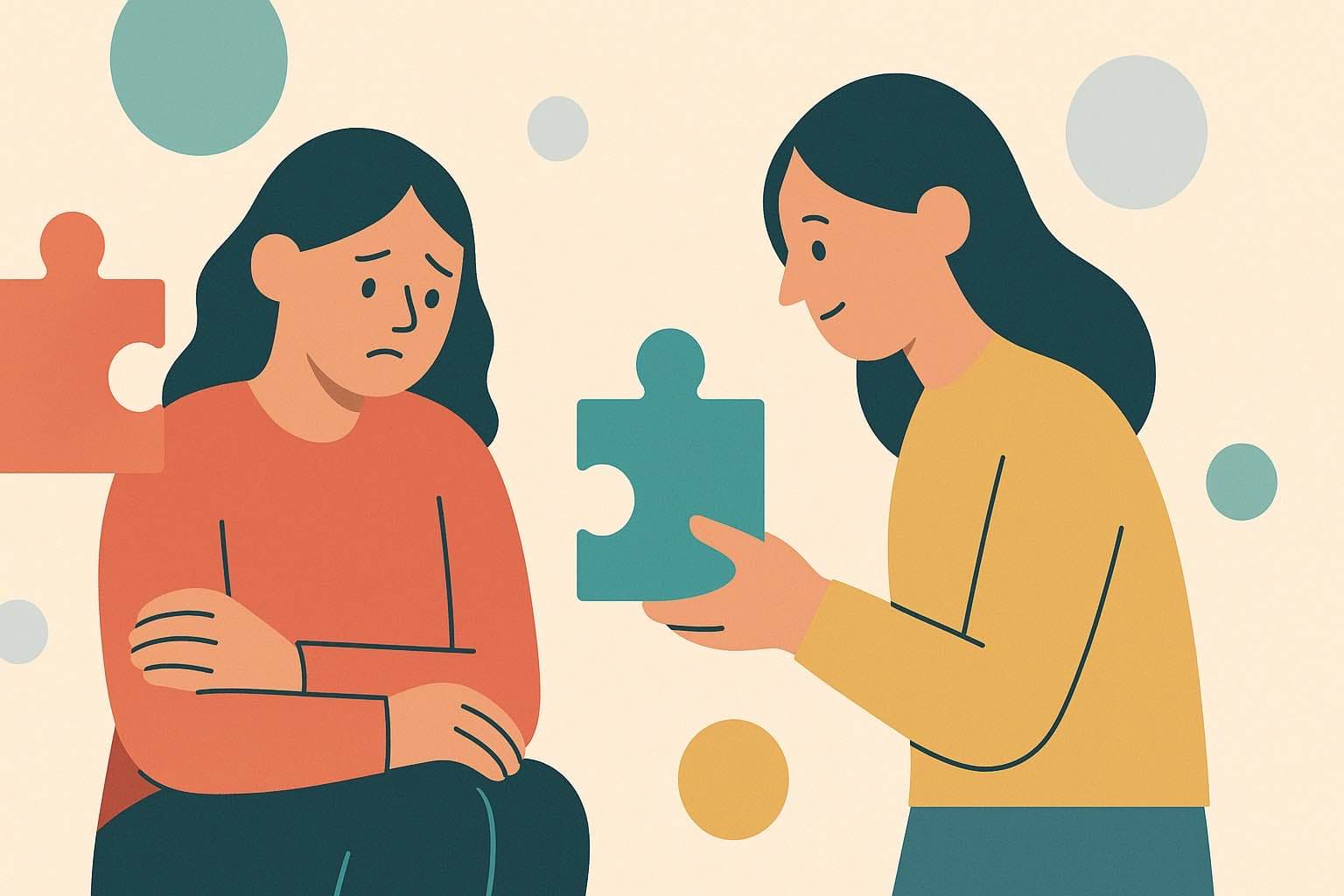
Friendships end in silence more often than argument.
One day, you're sharing secrets over coffee. The next, you're analyzing every text message, wondering if your friend means what they say. You're not paranoid. You're protecting yourself from getting hurt again.
Trust issues don't appear overnight. They creep in slowly, building invisible walls between you and the people who matter most. The friend who forgot your birthday. The confidence that got shared with others. The promise that was broken without explanation.
These small betrayals add up, creating patterns that follow you into every friendship.
The good news? Trust can be rebuilt. You can stop the cycle of suspicion and create genuine connections again. Here's how to recognize when trust issues are damaging your friendships and what to do about it.
What Trust Issues with Friends Look Like
Trust issues show up differently for everyone. Some people withdraw completely. Others become controlling or suspicious. Here are the most common signs you're dealing with trust problems in your friendships:
You question everything your friends say. When someone compliments you, you wonder what they want. When they cancel plans, you assume they found better options. You need proof before believing anything.
You keep friends at arm's length. Sharing personal information feels dangerous. You stick to surface-level conversations and avoid vulnerability, even with people who've earned your trust.
You expect betrayal. You're constantly waiting for friends to disappoint you. When they make small mistakes, you see it as confirmation that everyone will eventually let you down.
You overanalyze every interaction. A delayed text response becomes evidence of rejection. A friend talking to someone else means they're replacing you. You search for hidden meanings in casual conversations.
You struggle to forgive minor mistakes. Someone forgets to call back, and you hold onto it for weeks. Small errors feel like major betrayals because they confirm your worst fears about people.
You isolate yourself. Rather than risk getting hurt, you pull back from friendships entirely. You turn down invitations, stop reaching out, and convince yourself you're better off alone.
You test people's loyalty. You create situations to see if friends will prove themselves. You might share fake secrets, make unreasonable demands, or withdraw suddenly to see who chases you.
You feel anxious in friendships. Social interactions drain you because you're constantly analyzing behavior, looking for threats, and preparing for disappointment.
These patterns protect you from pain, but they also prevent you from experiencing real connection. When you expect betrayal, you often create it by pushing people away before they can hurt you.
Where Trust Issues Come From
Understanding why you struggle to trust helps you address the root cause instead of just the symptoms. Trust issues in friendships typically develop from these experiences:
Childhood experiences shape adult relationships
Your earliest relationships create templates for how you connect with others. When parents or caregivers were inconsistent, emotionally unavailable, or abusive, you learned that people can't be relied on. You developed an insecure attachment style that makes trusting others feel dangerous.
Children who had to guess whether a parent would be loving or angry learned to stay hypervigilant. They carried that vigilance into adult friendships, always watching for signs of rejection or betrayal.
Past betrayals leave lasting scars
Someone shared your secrets. A best friend ghosted you without explanation. You confided in someone who used your vulnerability against you. These experiences taught you that opening up leads to pain.
Betrayal trauma happens when someone you depend on for emotional support violates your trust in a significant way. Research shows that people who've experienced betrayal trauma become less trusting in future relationships, even when new friends have done nothing wrong.
Repeated disappointments create patterns
Maybe you've had multiple friendships where people didn't follow through. Friends who made promises they couldn't keep. People who disappeared when you needed them most. Each disappointment reinforced the belief that you can't count on anyone.
Your brain noticed the pattern and developed a protective strategy: don't trust anyone, and you won't get hurt. While this keeps you safe from disappointment, it also keeps you from experiencing genuine connection.
Social rejection and bullying
Being excluded, mocked, or bullied during formative years damages your ability to trust. When peers rejected you, you internalized the message that you're not worthy of loyalty or friendship. You learned to protect yourself by assuming everyone will eventually reject you.
Low self-esteem fuels suspicion
When you don't believe you deserve good friends, you question why anyone would want to be close to you. You assume people have hidden motives or will eventually realize you're not worth their time. This creates a self-fulfilling prophecy where your distrust pushes people away, confirming your belief that you're unlovable.
Mental health conditions amplify distrust
Anxiety makes you overanalyze every interaction and imagine worst-case scenarios. Depression convinces you that people don't genuinely care. These conditions distort your perception of friendships, making neutral interactions feel threatening.
How Trust Issues Damage Friendships
Trust is the foundation every friendship is built on. Without it, even the strongest connections crumble. Here's what happens when trust issues go unaddressed:
Friendships remain superficial. You never move past small talk because vulnerability feels too risky. Your friends know what you do, but not who you are. These surface-level connections leave you feeling lonely even when surrounded by people.
Conflicts escalate unnecessarily. Small disagreements become major fights because you interpret everything through a lens of suspicion. Your friend forgets to text back, and you assume they're angry or pulling away. This creates drama where none existed.
Friends feel exhausted. Constantly proving themselves becomes draining. They can't relax around you because any mistake could trigger suspicion or withdrawal. Eventually, they stop trying.
You push people away before they can hurt you. When friendships get too close, you sabotage them. You pick fights, withdraw suddenly, or find reasons to end the relationship. This protects you from abandonment but guarantees the loneliness you fear.
Misunderstandings multiply. You misinterpret innocent actions as betrayals. A friend cancels plans because they're sick, but you're convinced they're avoiding you. These misunderstandings create resentment and distance.
You miss opportunities for deep connection. Real friendships require vulnerability. When you can't open up, you miss the intimacy, support, and joy that come from being truly known by someone.
Tools like Peachi.app can help you navigate these challenges by providing structured ways to communicate difficult feelings and rebuild trust in your friendships.
How to Rebuild Trust in Friendships
Overcoming trust issues takes time, but it's entirely possible. These strategies help you create healthier patterns and build genuine connections:
Acknowledge your trust issues
You can't fix what you don't recognize. Admit to yourself that past experiences are affecting your current friendships. Notice when you're reacting to old wounds instead of present reality.
When you catch yourself spiraling into suspicion, pause and ask: "Is this about my friend's behavior, or is this about my past?" This awareness creates space for different choices.
Identify your triggers
What situations activate your distrust? Cancelled plans? Friends spending time with others? Delayed text responses? Knowing your triggers helps you prepare for them and respond thoughtfully instead of reactively.
Write down the situations that make you feel suspicious or anxious. Look for patterns. Understanding your triggers gives you power over them.
Start small and build gradually
You don't have to share your deepest secrets immediately. Begin with small acts of trust and see how people respond. Share a minor worry and notice if they handle it with care. Tell a slightly personal story and see if they respect it.
Trust is built through consistent, positive experiences. Each time someone proves reliable, it becomes slightly easier to trust them with more.
Communicate your needs clearly
Tell your friends what you need to feel secure. If you need more check-ins, say so. If certain behaviors trigger your anxiety, explain why. Most people want to support you but can't read your mind.
Use "I" statements to avoid sounding accusatory: "I feel anxious when I don't hear back for a while" works better than "You never text me back."
Challenge your assumptions
When you assume the worst, stop and look for evidence. Your friend cancelled plans at the last minute. Is it more likely they're avoiding you or dealing with something stressful? Which explanation fits their past behavior?
Practice giving people the benefit of the doubt. Most of the time, there's a simple, innocent explanation for concerning behavior.
Work on self-trust
You can't fully trust others until you trust yourself to handle disappointment. Build confidence in your ability to survive betrayal. Remind yourself that you've been hurt before and recovered. You're stronger than you think.
Self-trust also means believing your judgment. If someone consistently proves untrustworthy, it's okay to limit your investment in that friendship. Not everyone deserves your trust.
Set healthy boundaries
Boundaries protect you while allowing trust to develop. They're not walls that keep everyone out; they're guidelines for how you want to be treated. Clear boundaries reduce anxiety because you know what you will and won't accept.
Tell friends what behaviors are deal-breakers for you. Explain what you need in a friendship. This creates safety for both of you.
Be trustworthy yourself
Model the behavior you want to see. Keep your promises. Show up when you say you will. Handle others' vulnerabilities with care. Being trustworthy reminds you that good people exist and helps attract friends who value trust as much as you do.
Practice vulnerability gradually
Share a little more each time, moving at a pace that feels manageable. Notice how your friends respond to your openness. When they handle your trust well, reward them with slightly more vulnerability.
Vulnerability isn't all-or-nothing. You can be selectively open, sharing different things with different people based on the trust they've earned.
Forgive past hurts
Holding onto old betrayals keeps you stuck. Forgiveness doesn't mean forgetting or excusing what happened. It means releasing the grip those experiences have on your present relationships.
Write letters to people who hurt you (you don't have to send them). Process your anger with a therapist. Find ways to make peace with the past so it stops contaminating your present.
Seek professional support
A therapist can help you understand the roots of your trust issues and develop healthier patterns. Cognitive-behavioral therapy (CBT) is effective for changing the thought patterns that fuel distrust.
Therapy provides a safe space to practice vulnerability with someone who won't betray your trust. This experience can help you believe that safe relationships are possible.
Using tools like Peachi.app alongside therapy can accelerate your progress by helping you track patterns, communicate more effectively with friends, and celebrate small wins as you rebuild trust.
When to Walk Away from a Friendship
Not every friendship should be saved. Sometimes trust issues are justified because the person genuinely can't be trusted. Here's how to know when to let go:
They repeatedly break promises. Everyone makes mistakes, but patterns reveal character. If someone consistently disappoints you despite saying they'll change, believe their actions, not their words.
They violate your boundaries. You've explained what you need, and they ignore it. They share your secrets, disrespect your time, or dismiss your feelings. This isn't a trust issue on your part; it's a trustworthiness issue on theirs.
They refuse to take responsibility. When they hurt you, they make excuses or blame you for being too sensitive. People who can't acknowledge their mistakes can't be trusted to change.
The friendship is one-sided. You're always reaching out, making plans, and providing support. They show up when they need something and disappear when you do. This isn't friendship; it's convenience.
You feel worse after spending time together. Healthy friendships energize you, even when they're challenging. If you consistently feel drained, anxious, or diminished, your instincts are telling you something.
Trust your gut. If someone consistently makes you feel unsafe, you're not being paranoid. You're being wise.
Rebuilding Trust After Betrayal
When a close friend violates your trust, the friendship can survive if both people are committed to repair. Here's what the rebuilding process looks like:
Acknowledge what happened
Both people need to name the betrayal clearly. The person who broke trust must take full responsibility without minimizing or making excuses. The person who was hurt needs space to express their feelings without being rushed to forgive.
Understand why it happened
The person who broke trust needs to explore what led to their actions. Were they overwhelmed? Did they not understand the impact? Are there patterns they need to address? Understanding prevents repetition.
Make genuine amends
Words matter, but actions matter more. The person who broke trust needs to demonstrate change over time. This might mean increased communication, following through on commitments, or respecting new boundaries.
Give it time
Trust isn't restored in a conversation. It's rebuilt through consistent, positive interactions over weeks and months. The person who was hurt gets to set the pace. Rushing forgiveness creates resentment, not healing.
Create new agreements
What needs to be different going forward? Maybe you need more transparency. Maybe certain topics are off-limits. Discuss what you both need to feel safe and create clear expectations.
Accept that things will be different
The friendship you had before the betrayal is gone. If you rebuild, you're creating something new. This can be stronger and more authentic than before, but it won't be the same. Grieve what was lost before trying to build what comes next.
Peachi.app offers structured frameworks for these difficult conversations, helping you express your feelings clearly and work through betrayal with your friend in a way that creates genuine healing.
Frequently Asked Questions
Can trust be rebuilt after a major betrayal in a friendship?
Yes, but it requires both people to be fully committed to the process. The person who broke trust must take responsibility, demonstrate genuine remorse, and consistently prove they've changed. The person who was hurt needs to be willing to work through their feelings and gradually give trust another chance. Rebuilding can take months or years, but many friendships emerge stronger after navigating betrayal together.
How do I know if my trust issues are justified or if I'm being paranoid?
Look at the evidence objectively. Has this friend repeatedly broken promises or violated your boundaries? Or are you reacting to past experiences with different people? Ask trusted friends for their perspective. If multiple people tell you your concerns are unfounded, consider whether old wounds are affecting your judgment. Trust your instincts, but verify them against reality.
What if my friend doesn't understand why I have trust issues?
Help them understand by explaining your history without making them responsible for past hurts. Say something like: "I've been let down by friends before, which makes it hard for me to open up. It's not about you; it's something I'm working through. Here's what would help me feel safe with you." Most good friends will appreciate your honesty and make efforts to support you.
How long does it take to overcome trust issues?
There's no fixed timeline. It depends on the severity of your past experiences, your willingness to be vulnerable, and the reliability of your current friends. Some people notice improvement in months; others take years. Progress isn't linear. You'll have setbacks, and that's normal. Focus on small improvements rather than expecting complete transformation overnight.
Should I tell new friends about my trust issues?
You don't need to share your entire history immediately, but mentioning that you take time to open up can set realistic expectations. Once you've established some connection, you can share more about why trust is challenging for you. This vulnerability often deepens friendships rather than scaring people away.
What if I'm the friend who broke someone's trust?
Take full responsibility without making excuses. Apologize sincerely and ask what they need from you to begin rebuilding. Then follow through consistently. Don't rush them to forgive you or act like things are back to normal. Understand that you may never fully regain what was lost, and accept that consequence. Focus on being a better friend moving forward.
Your Next Step Toward Healthier Friendships
Trust issues don't have to define your friendships forever. You can unlearn the protective patterns that keep people at a distance. You can build genuine connections with people who prove themselves worthy of your trust.
Start with small steps. Notice when you're reacting to old wounds instead of present reality. Give one person the benefit of the doubt. Share something slightly vulnerable and see what happens. Each small risk you take builds evidence that safe friendships are possible.
You deserve friendships where you can be yourself without fear. Where mistakes are forgiven and trust is earned through consistent care. Where you can finally relax and let people in.
Ready to repair a friendship that matters? Peachi.app gives you the tools to have honest conversations, rebuild broken trust, and create the genuine connections you've been missing. Stop letting past hurts control your present relationships. Start building the friendships you actually want today.
Related Articles

Digital Tools for Friendship Restoration for Teens and College Students: 7 Apps That Actually Work
Discover 7 powerful digital tools that help teens and college students repair broken friendships. From AI coaches to structured conversations, learn how to fix friendships fast.

Digital Tools for Friendship Restoration: How to Blend Online and Offline Repair
Discover proven digital tools and strategies to restore damaged friendships. Learn how to combine online platforms with offline actions for meaningful reconciliation.

Conflict with a Friend? A Step-by-Step Fix
Learn how to fix a friendship after conflict with proven communication strategies, emotional repair techniques, and actionable steps to rebuild trust.

How to Survive a Friend Breakup When You Share the Same Friend Group (Without Losing Your Mind)
Friend breakups hurt worse when you share the same social circle. Learn proven strategies to heal, set boundaries, and navigate awkward group dynamics without losing yourself.