
Toxic Group Chat? How to Leave Without Making It Worse
Learn how to leave a toxic friend group safely and rebuild your social life. Expert tips on recognizing signs, setting boundaries, and moving forward.
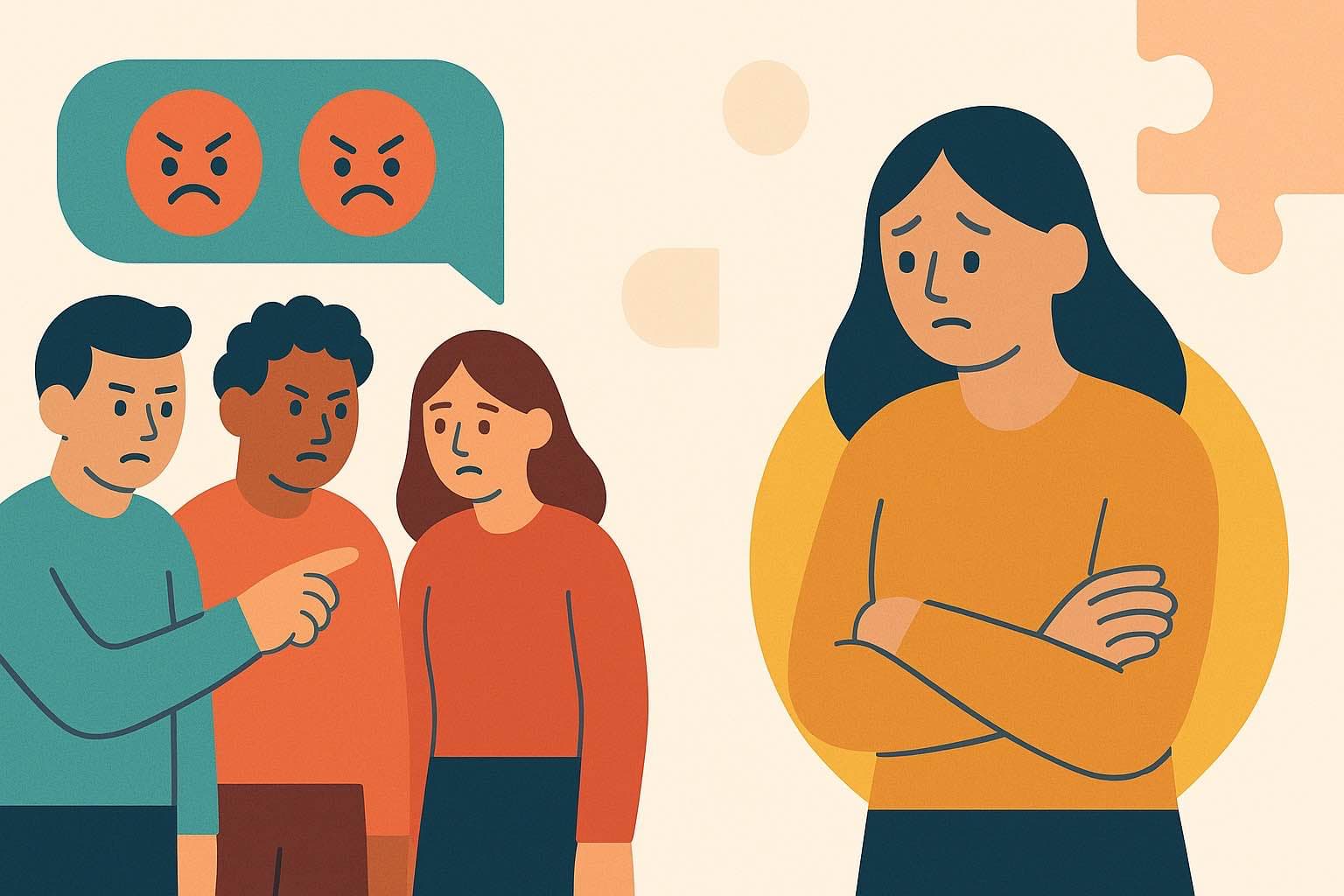
You're not alone if you're struggling with a toxic friend group. Millions of people find themselves trapped in unhealthy friendships that drain their energy and damage their self-worth. The good news? You can break free and build healthier relationships.
Here's what you'll discover in this guide:
- Clear warning signs your friend circle has turned toxic
- Practical steps to leave a toxic friend group without drama
- Strategies for healing and finding better friendships
- Tools and resources to navigate friendship conflicts
Understanding Toxic Friend Group Dynamics
A toxic friend group doesn't happen overnight. It creeps in slowly, like fog rolling across a harbor.
One day you're laughing together at brunch. The next, you're dreading every notification from the group chat. The shift happens so gradually you barely notice until you're drowning in negativity.
Research from the University of California shows that toxic friendships can impact your mental health as severely as romantic breakups. Your body doesn't distinguish between different types of emotional pain. Stress hormones flood your system whether the hurt comes from a partner or a supposed friend.
The Power Dynamic Problem
Every toxic friend group has an unspoken hierarchy. There's usually one person who controls the narrative. They decide who's in, who's out, and what opinions are acceptable.
This power imbalance creates an environment where:
- Some members feel constantly on edge
- Genuine expression becomes risky
- People start self-censoring to avoid conflict
- The group develops an "us versus them" mentality
Warning Signs Your Friend Group Has Become Toxic
Recognizing the signs early can save you months (or years) of emotional damage. Here are the red flags you can't ignore.
The Constant Drama Cycle
Does your friend group thrive on conflict? Healthy friendships have occasional disagreements. Toxic friend groups manufacture drama for entertainment.
Watch for these patterns:
- Someone's always mad at someone else
- Private conversations become public ammunition
- Small issues explode into major conflicts
- Peace never lasts more than a few days
The Emotional Vampire Effect
You should feel energized after spending time with friends. Not exhausted.
If you notice these symptoms, pay attention:
- Feeling drained after every interaction
- Needing recovery time after group hangouts
- Anxiety before checking group messages
- Relief when plans get canceled
The Group Chat Gone Wrong: When Digital Spaces Turn Hostile
Group chats were supposed to bring us closer. Instead, they often become breeding grounds for toxicity.
Sarah, a 28-year-old marketing manager, watched her college friend group implode through WhatsApp. "It started with passive-aggressive comments about someone's Instagram post. Within weeks, we had full-blown character assassinations happening at 2 AM."
Her group found an unexpected solution. They started using Peachi, a platform designed for healthy conflict resolution. The structured communication format helped them address issues without the chaos of endless text threads. "Having a neutral space to work through problems changed everything. We could finally hear each other without the noise."
Digital Toxicity Indicators
Your group chat might be toxic if:
- Messages feel like attacks rather than conversations
- Screenshots get weaponized against members
- Silent periods feel more peaceful than active ones
- You mute notifications to protect your mental health
Real Stories: How Others Escaped Toxic Friend Circles
You're not the first person to face this challenge. These stories prove escape is possible.
Marcus's Slow Fade Strategy
Marcus realized his friend group had become toxic during his junior year of college. "Every hangout ended with someone crying or storming out. I couldn't do it anymore."
He chose the gradual exit approach:
- Declined invitations more frequently
- Responded to messages with delays
- Stopped initiating contact
- Eventually left the group chat without announcement
"Some people called me a coward. But protecting my mental health wasn't cowardly. It was necessary."
Jennifer's Direct Confrontation
Jennifer took the opposite approach. After three years of manipulation and gaslighting, she called a meeting.
"I told them exactly why I was leaving. The gossip, the backstabbing, the constant judgment. I needed them to know their behavior had consequences."
The confrontation didn't go well initially. Two friends attacked her character. One cried. But surprisingly, one friend reached out weeks later to apologize and rebuild their individual friendship.
The Psychology Behind Toxic Friend Groups
Understanding why friend groups turn toxic helps you avoid repeating patterns.
Group Think and Conformity
Psychologist Irving Janis identified groupthink as a phenomenon where groups prioritize harmony over critical thinking. In friend groups, this manifests as:
- Pressure to agree with dominant opinions
- Punishment for dissenting voices
- Loss of individual identity
- Collective rationalization of bad behavior
The Trauma Bond Connection
Sometimes toxic friend groups stay together through trauma bonding. Shared negative experiences create intense connections that feel impossible to break.
Dr. Patricia Evans, author of "The Verbally Abusive Relationship," explains that these bonds form through cycles of tension and relief. The group creates problems, then comes together to solve them, reinforcing the dysfunctional dynamic.
Step-by-Step Guide to Leaving a Toxic Friend Group
Ready to break free? Follow this roadmap to freedom.
Step 1: Acknowledge the Reality
Stop making excuses for toxic behavior. Write down specific incidents that hurt you. Seeing patterns on paper makes denial impossible.
Step 2: Build Your Support Network
Before you leave, strengthen other relationships:
- Reconnect with old friends
- Invest in family relationships
- Join new communities based on interests
- Consider professional therapy support
Step 3: Create Your Exit Strategy
Decide between:
- The Clean Break: Leave immediately and cut all contact
- The Gradual Fade: Slowly reduce involvement over weeks
- The Honest Conversation: Explain your decision directly
Step 4: Execute Your Plan
Whatever strategy you choose, stick to it. Wavering sends mixed signals and prolongs the pain.
Step 5: Maintain Your Boundaries
They'll likely try to pull you back. Prepare responses for:
- Guilt trips about abandoning them
- Promises that things will change
- Attacks on your character
- Attempts to isolate you from others
Dealing with the Emotional Fallout
Leaving a toxic friend group triggers grief. You're mourning the friendship you wanted, not necessarily the one you had.
Common Emotions You'll Face
Guilt hits hardest initially. Your brain replays good memories, making you question your decision.
Anger follows closely. You realize how much toxicity you tolerated.
Sadness comes in waves. You grieve the time invested and the future you imagined together.
Relief eventually arrives. The constant anxiety disappears. You sleep better. Your authentic self reemerges.
Setting Boundaries Before You Leave
If you're not ready for complete separation, establish firm boundaries first.
Communication Boundaries
- Limit group chat participation to essential information
- Stop sharing personal details they might weaponize
- Refuse to engage in gossip about other members
- Set specific times you'll check messages
Physical Boundaries
- Decline events that trigger anxiety
- Choose which gatherings feel safe
- Bring a supportive plus-one when necessary
- Have an exit strategy for every interaction
The Exit Strategy: How to Leave Gracefully
Grace doesn't mean being a doormat. It means maintaining your dignity while protecting your wellbeing.
The Prepared Statement Approach
Write your exit message in advance. Edit it when you're calm, not emotional. Include:
- A brief explanation without detailed accusations
- Acknowledgment of positive memories (if genuine)
- Clear statement about your decision
- Request for space to heal
Example: "I've realized our friendship dynamic isn't healthy for me anymore. I'm stepping back to focus on my wellbeing. I wish you all the best."
The No-Contact Method
Sometimes explanation isn't safe or productive. In cases of severe manipulation or abuse:
- Block phone numbers and social media
- Remove yourself from all group chats
- Ask mutual friends not to relay messages
- Document any harassment for potential legal action
What to Say (And What Not to Say)
Your words matter, even when leaving. Choose them carefully.
Say This:
- "I need to prioritize my mental health"
- "This dynamic doesn't work for me"
- "I'm choosing a different path"
- "I wish you well"
Avoid This:
- Detailed lists of their flaws
- Threats or ultimatums
- Gossip about them to others
- Promises you can't keep
Handling Mutual Friends and Social Circles
The ripple effects of leaving a toxic friend group extend beyond the core members.
The Switzerland Friends
Some mutual friends will try staying neutral. Respect their position but:
- Don't pressure them to choose sides
- Avoid discussing the toxic group with them
- Establish whether they'll respect your boundaries
- Accept that some relationships might change
The Flying Monkeys
Others might become "flying monkeys" - people who do the toxic group's bidding. They'll:
- Try gathering information about you
- Attempt to broker reconciliation
- Relay messages you didn't ask for
- Pressure you to return
Protect yourself by limiting what you share with anyone still connected to the group.
Rebuilding Your Social Life After Leaving
Freedom from toxicity creates space for authentic connections.
Join Interest-Based Communities
Find people who share your passions:
- Book clubs for readers
- Running groups for fitness enthusiasts
- Volunteer organizations for giving back
- Professional networks for career growth
Quality Over Quantity
You don't need dozens of friends. Research from Oxford University suggests humans can only maintain about 5 close friendships effectively.
Focus on developing deep connections with people who:
- Celebrate your successes genuinely
- Support you through challenges
- Respect your boundaries
- Encourage your growth
When to Try Saving the Friendship vs. When to Walk Away
Not every troubled friendship needs abandonment. Sometimes, intervention helps.
Consider Salvaging If:
- The toxicity is recent and situational
- Members show genuine willingness to change
- Professional mediation is possible
- Individual friendships remain healthy
Walk Away When:
- Abuse (emotional, physical, or financial) occurs
- Gaslighting makes you question reality
- Your mental health deteriorates consistently
- Change attempts repeatedly fail
Digital Detox: Leaving Group Chats and Social Media
The digital exit requires special consideration in our connected world.
The Group Chat Departure
Option 1: The Silent Exit Simply leave without announcement. Let others draw their own conclusions.
Option 2: The Brief Goodbye "Stepping away from group chats for my mental health. Wishing everyone well."
Option 3: The Mute Alternative Stay technically present but mute all notifications. Check occasionally for important information only.
Social Media Strategy
Unfollowing vs. Unfriending: Unfollowing keeps the connection while protecting your feed. Unfriending makes a cleaner break.
The Block Option: Use blocking for members who harass or stalk online.
Privacy Settings: Adjust who sees your posts, stories, and profile information.
Self-Care During the Transition
Leaving a toxic friend group demands intentional self-care.
Physical Self-Care
- Maintain regular sleep schedules
- Exercise to release stress hormones
- Eat nourishing foods regularly
- Spend time in nature
Emotional Self-Care
- Journal your feelings without judgment
- Practice mindfulness meditation
- Engage in creative expression
- Allow yourself to feel all emotions
Social Self-Care
- Connect with supportive people
- Set aside time for solitude
- Engage in activities you enjoy
- Practice saying no without guilt
Finding Healthier Friendships
Your experience with toxicity becomes wisdom for choosing better friends.
Green Flags in New Friendships
- They celebrate your wins without jealousy
- Disagreements happen respectfully
- Boundaries get honored consistently
- Growth gets encouraged, not threatened
- Trust builds gradually and naturally
Taking It Slow
Don't rush into new friend groups. Toxic patterns taught you to ignore red flags. Now you're learning to trust your instincts again.
Build friendships slowly through:
- Consistent small interactions
- Gradual vulnerability sharing
- Observation of their other relationships
- Attention to how they handle conflict
Red Flags to Avoid in Future Friendships
Your toxic friend group experience serves as an education. Watch for these warning signs:
Early Warning Signs
- Love bombing with excessive early intimacy
- Gossip about their other friends
- Boundary testing disguised as jokes
- Victim mentality about past relationships
- Inability to celebrate others' success
Behavioral Patterns
Competition replaces collaboration. Everything becomes a contest.
Manipulation masquerades as concern. "I'm only saying this because I care" precedes cruel comments.
Accountability disappears. They never apologize genuinely or change problematic behaviors.
The Role of Communication Tools in Friendship Conflicts
Technology offers new solutions for friendship challenges.
Modern platforms like Peachi provide structured spaces for addressing conflicts before they become toxic. These tools offer:
- Neutral ground for difficult conversations
- Guided communication frameworks
- Time to process before responding
- Documentation of agreements and boundaries
Using communication tools early prevents small issues from festering into friendship-ending resentments.
Professional Help: When to Seek Therapy
Sometimes leaving a toxic friend group requires professional support.
Consider Therapy If You Experience:
- Persistent anxiety or depression
- Difficulty trusting new people
- Intrusive thoughts about the group
- Self-blame for the toxicity
- Trauma responses to friendship triggers
Types of Helpful Therapy
Cognitive Behavioral Therapy (CBT) helps reframe negative thought patterns.
EMDR processes traumatic friendship experiences.
Group therapy provides community with others facing similar challenges.
Long-Term Benefits of Leaving Toxic Friendships
The rewards of leaving extend far beyond immediate relief.
Mental Health Improvements
Studies show that ending toxic relationships leads to:
- Decreased anxiety and depression
- Improved self-esteem
- Better sleep quality
- Increased life satisfaction
- Stronger sense of identity
Personal Growth Outcomes
You'll discover:
- Your authentic preferences and opinions
- Strength you didn't know existed
- Capacity for healthier relationships
- Clear understanding of your values
- Confidence in your decisions
Creating Your Support System
Building a new support network takes intentional effort.
Diversify Your Connections
Don't rely on one group for all emotional needs. Create a support ecosystem:
- Close friends for deep emotional support
- Activity partners for shared interests
- Professional mentors for career guidance
- Family members for unconditional love
- Therapist for objective perspective
Nurture Individual Friendships
Group dynamics often overshadow one-on-one connections. Focus on:
- Regular check-ins with individuals
- Shared experiences without the group
- Deep conversations beyond surface level
- Mutual support through challenges
Moving Forward Without Guilt
Guilt often lingers longest after leaving a toxic friend group.
Reframe Your Narrative
Instead of "I abandoned them," try "I chose my wellbeing."
Rather than "I'm too sensitive," consider "I have healthy boundaries."
Replace "I failed at friendship" with "I learned valuable lessons."
Practice Self-Compassion
You stayed as long as you did because you cared. You valued friendship and tried making it work. Leaving doesn't make you bad. It makes you brave.
Write yourself a letter of forgiveness. Acknowledge the courage it took to recognize toxicity and choose differently.
FAQs About Leaving Toxic Friend Groups
How do I know if my friend group is actually toxic or if we're just going through a rough patch?
Rough patches are temporary and specific to situations. Toxicity creates persistent patterns of harm. If you consistently feel worse after interactions, trust that instinct.
What if leaving means losing my entire social circle?
Temporary loneliness beats permanent toxicity. You'll build new connections with people who value your wellbeing. Quality matters more than quantity.
Should I explain why I'm leaving or just disappear?
Consider your safety first. If explanation might lead to harassment or manipulation, prioritize protection over closure. Otherwise, a brief explanation can provide closure for everyone.
How do I handle events where I'll see my former toxic friend group?
Plan ahead. Bring support, have an exit strategy, and interact minimally. You're not obligated to pretend everything's fine. Polite distance protects your progress.
What if they try to win me back with apologies and promises to change?
Real change takes time and consistent action. Words without sustained behavioral change mean nothing. Protect your progress by maintaining boundaries.
How long does it take to heal from a toxic friend group?
Healing timelines vary. Some people feel relief immediately. Others need months to process the experience fully. There's no wrong timeline for your healing journey.
Conclusion: Your Journey to Healthier Relationships
Leaving a toxic friend group marks the beginning, not the end, of your friendship story.
You've learned to recognize red flags. You understand your worth. You know that real friendship lifts you up instead of tearing you down.
The friends you'll make next will appreciate your authenticity. They'll respect your boundaries. They'll celebrate your growth instead of feeling threatened by it.
Your toxic friend group taught you what you don't want. Now you get to discover what healthy friendship really feels like.
Remember: choosing yourself isn't selfish. It's necessary. You deserve friends who see your light and help it shine brighter, not those who try to dim it.
If you're struggling with friendship conflicts and want to try resolution before walking away, consider using Peachi to facilitate healthier communication. Sometimes the right tools make all the difference in transforming toxic patterns into healing conversations.
Your journey to healthier friendships starts with a single step away from toxicity. You've got this.
Related Articles

Digital Tools for Friendship Restoration for Teens and College Students: 7 Apps That Actually Work
Discover 7 powerful digital tools that help teens and college students repair broken friendships. From AI coaches to structured conversations, learn how to fix friendships fast.

Digital Tools for Friendship Restoration: How to Blend Online and Offline Repair
Discover proven digital tools and strategies to restore damaged friendships. Learn how to combine online platforms with offline actions for meaningful reconciliation.
Conflict with a Friend? A Step-by-Step Fix
Learn how to fix a friendship after conflict with proven communication strategies, emotional repair techniques, and actionable steps to rebuild trust.

How to Survive a Friend Breakup When You Share the Same Friend Group (Without Losing Your Mind)
Friend breakups hurt worse when you share the same social circle. Learn proven strategies to heal, set boundaries, and navigate awkward group dynamics without losing yourself.