
Friend Keeps Canceling Plans? 7 Texts That Actually Work
Friend keeps cancelling plans? Learn exactly what to say with 7 proven conversation scripts that preserve your friendship while setting boundaries.
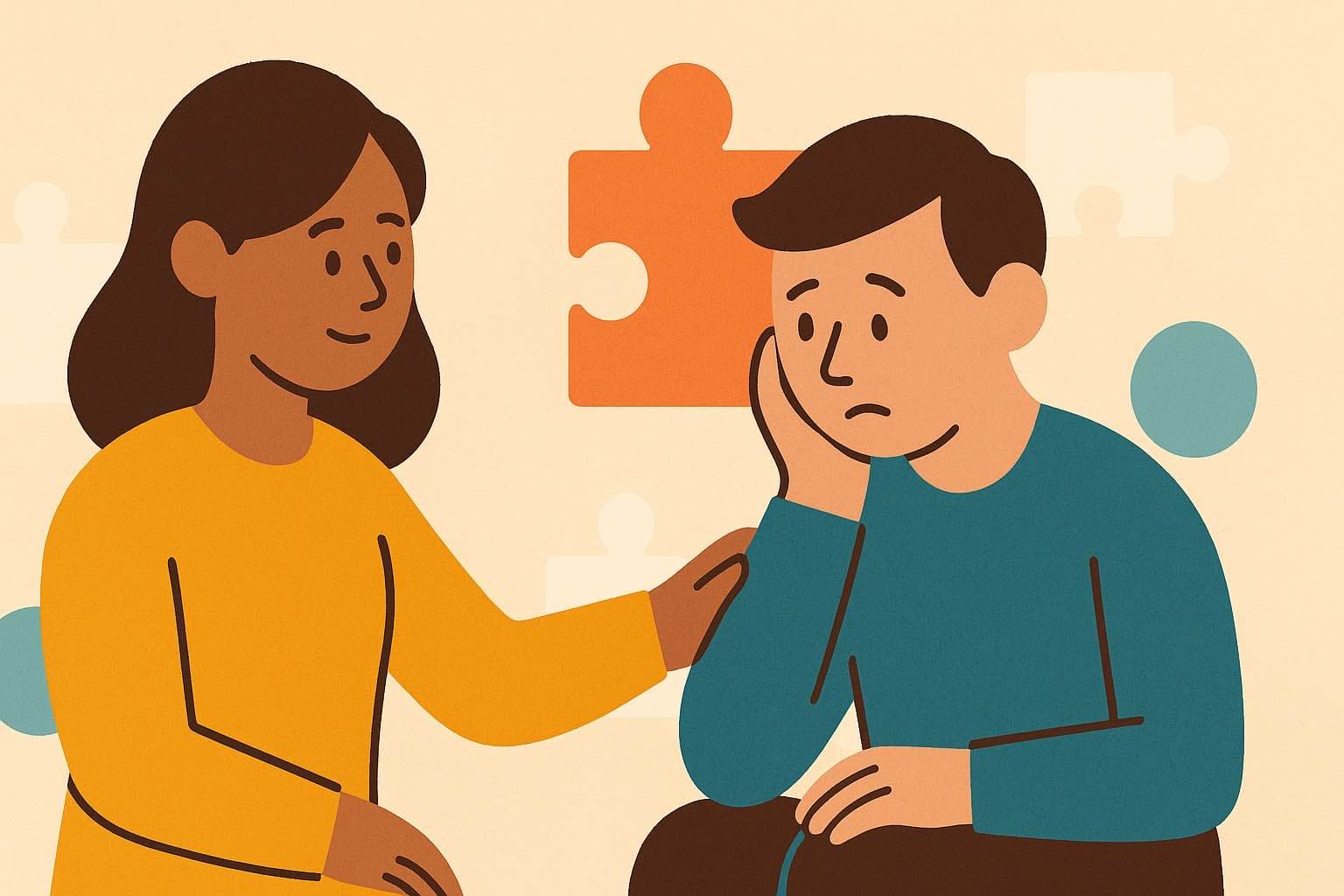
You stare at your phone. Again.
"So sorry, something came up 😬"
That's the third time this month. You got ready, cleared your schedule, and turned down other plans. Now you're sitting home alone wondering if you did something wrong.
Table of Contents
- Why People Cancel (And Why It Matters)
- The Cost of Saying Nothing
- How Sarah and Maya Fixed Their Flaking Problem
- 7 Scripts for Different Cancellation Scenarios
- When to Use Humor vs. Directness
- Reading Between the Lines
- Setting Boundaries Without Losing Friends
- Signs It's More Than Just Bad Planning
- The Follow-Up That Changes Everything
- What Not to Say (Even When You're Frustrated)
- Frequently Asked Questions
Key Takeaways
- Address cancelled plans within 48 hours for best results
- Match your response to the pattern (one-off vs. chronic)
- Use "I" statements to avoid sounding accusatory
- Chronic cancellers often struggle with anxiety or depression
- Setting boundaries strengthens friendships, not weakens them
- Sometimes the cancellation itself isn't the real issue
When a friend keeps cancelling plans, the silence often feels worse than the cancellation itself. You don't want to seem needy. You don't want to start drama. But you also don't want to feel like an afterthought.
Here's what most people get wrong: they think addressing cancelled plans will damage the friendship. The opposite is true. Unspoken resentment is what kills relationships. Honest conversations strengthen them.
Why People Cancel (And Why It Matters)
Before you fire off an angry text, context matters.
Some cancellations are one-offs. Life happens. Cars break down, emergencies pop up, and sometimes people just need a mental health day. Those aren't the problem.
The problem is the pattern.
When someone consistently cancels, it sends a message. Not the one they intend, but the one you receive: "You're not a priority." That message, true or not, erodes trust faster than anything.
Research from the Journal of Social and Personal Relationships found that reliability is one of the top three factors in friendship satisfaction. More than shared interests. More than similar values. Showing up matters.
But here's the twist: chronic cancellers rarely realize the impact. They're not sitting around thinking "I don't value this person." They're drowning in anxiety, struggling with depression, or genuinely terrible at time management.
Your job isn't to read minds. It's to communicate clearly.
The Cost of Saying Nothing
Silence seems safer. It's not.
When you ignore repeated cancellations, you teach people how to treat you. You signal that your time isn't valuable. You build resentment that eventually explodes over something small and seemingly unrelated.
I've watched friendships implode because someone stayed quiet for months, then unleashed years of frustration over a forgotten birthday. The real issue was never the birthday. It was the accumulated disappointment from 47 cancelled plans.
Plus, staying silent robs your friend of the chance to fix things. Maybe they don't know it bothers you. Maybe they think you don't care. Maybe they're stuck in their own anxiety spiral and your honest feedback is exactly what they need to change.
How Sarah and Maya Fixed Their Flaking Problem
Sarah and Maya had been friends since college. Ten years of inside jokes, road trips, and late-night phone calls.
Then Maya started cancelling. Every Thursday night, they planned dinner. Every Wednesday afternoon, Maya sent a variation of "Can we reschedule?"
Sarah felt hurt but said nothing. She didn't want to seem demanding. Three months passed. The resentment grew.
Finally, after another last-minute cancellation, Sarah tried something different. Instead of texting back "no worries," she suggested they both use Peachi to talk through what was happening. The app helped them have the conversation they'd been avoiding.
Turns out, Maya wasn't avoiding Sarah. She was drowning at work and terrified of admitting she couldn't handle everything. Once they talked it through, they adjusted their expectations. They switched to monthly brunches instead of weekly dinners. Maya committed to giving 24 hours' notice if she needed to cancel.
The friendship didn't just survive. It got stronger. Because they stopped pretending everything was fine when it wasn't.
7 Scripts for Different Cancellation Scenarios
The First-Time Cancellation
Keep it light. Assume good intent.
What to say: "No stress! These things happen. Want to lock in a rain check now so we don't lose momentum?"
This acknowledges the cancellation without making it A Thing. The key is immediately suggesting an alternative. It shows you still want to hang out and gives them a chance to demonstrate commitment.
The Pattern Is Emerging (Third Cancellation)
Time to gently flag the pattern without attacking.
What to say: "Hey, I've noticed we've had to reschedule a few times lately. Is everything okay? I miss hanging out with you, and I want to make sure we're picking times that work for your schedule."
This script does three things: names the pattern, expresses care, and opens the door for honest conversation. You're not accusing them of not caring. You're inviting them to share what's going on.
The Chronic Canceller Who Never Reschedules
This person cancels but never suggests alternatives. That's the tell.
What to say: "I care about our friendship, which is why I'm bringing this up. When plans get cancelled without rescheduling, it starts to feel one-sided. Can we talk about what would work better for both of us?"
Notice the "both of us" framing. You're not placing blame. You're treating this as a shared problem to solve together. That's how mature friendships work.
The Last-Minute Canceller
They wait until you're already out the door.
What to say: "I get that emergencies happen, but last-minute cancellations are tough because I've already turned down other plans and arranged my day around this. For future hangouts, could you let me know at least a few hours in advance if you need to cancel?"
You're setting a clear boundary without being hostile. You're explaining the impact and requesting a specific change. Most reasonable people will respect this.
The Excuse Factory
Every cancellation comes with an elaborate story.
What to say: "You don't need to explain. If you need to cancel, just say so. But I do need to know if you're still interested in hanging out, because I want to stop feeling like I'm always initiating."
Sometimes people over-explain because they feel guilty. By removing the pressure to justify, you often get to the real issue faster. And the second part? That's vulnerability. It shows you're hurt, which gives them a chance to step up.
The Friend Going Through Something
They're cancelling because life genuinely sucks right now.
What to say: "I've noticed you've been cancelling a lot, and I'm worried about you. I'm not mad; I'm concerned. Want to talk about what's going on? Or if hanging out feels like too much right now, we can find other ways to stay connected."
This is compassion first. You're prioritizing their wellbeing over your social calendar. But you're also leaving the door open for them to be honest about their capacity.
The Nuclear Option (When Nothing Else Has Worked)
You've tried everything. They keep cancelling. Time for honesty.
What to say: "I value our friendship, but I can't keep making plans that don't happen. It hurts, and it makes me feel like I'm not a priority. I need to take a step back for now, but I'm here if you want to talk about what's been going on."
This isn't burning the bridge. It's acknowledging that the current dynamic isn't working. Sometimes stepping back is the kindest thing for both people.
When to Use Humor vs. Directness
Some friendships can handle a joking "You know you've bailed on me three times this month, right? Should I just assume you hate me now? 😂"
Others need straightforward sincerity.
Know your friend. Know your dynamic.
Humor works when:
- The friendship has a foundation of playful teasing
- The cancellations are recent, not long-term
- You can deliver it without sarcasm bleeding through
Directness works when:
- The pattern has been ongoing
- You've tried subtle hints that didn't land
- The friendship matters enough to risk discomfort
Most people need directness more than they think. We've been conditioned to smooth things over, to avoid confrontation, to prioritize politeness over honesty. But real friendship survives honest conversations. Surface-level pleasantries don't.
Reading Between the Lines
Sometimes what people say and what they mean diverge wildly.
"Something came up" might mean:
- They genuinely forgot and feel terrible
- They're avoiding social situations due to anxiety
- They double-booked and chose the other plan
- They never wanted to commit but felt pressured
- They're going through a depressive episode
Your response should account for these possibilities.
If someone cancels once and seems genuinely apologetic, believe them. If they cancel repeatedly and seem defensive, that's different. If they cancel and disappear from all communication, that's a sign of something deeper.
Pay attention to the context around the cancellations. Are they posting on social media while "too sick" to hang out? That's disrespect. Are they radio-silent across all platforms? That's depression or crisis.
Match your response to what you observe, not just what you hear.
Setting Boundaries Without Losing Friends
Boundaries get a bad rap. People think they're ultimatums. They're not.
A boundary is simply communicating your limits and the consequences if those limits are repeatedly crossed. It's not controlling. It's clarifying.
Here's what healthy boundaries around cancelled plans look like:
"I need at least 24 hours' notice if you can't make it. If plans get cancelled last-minute more than once or twice, I'll need to stop initiating."
That's clear. It's fair. It's enforceable.
What's not a healthy boundary:
"You're never allowed to cancel on me."
That's controlling. Life happens. Flexibility is part of friendship.
The goal isn't to eliminate all cancellations. It's to ensure the cancellations don't become the norm. And when you set boundaries, you give the other person information they need to be a better friend.
Most people don't want to hurt you. They just need to know where the line is.
Signs It's More Than Just Bad Planning
Sometimes chronic cancelling isn't about you at all.
Watch for these red flags:
- They cancel social plans but never work obligations
- They're active on social media but "too busy" to respond
- They only cancel plans with you, not other friends
- They get defensive when you bring it up
- They promise to do better but never follow through
If you see these patterns, the cancellations might be symptoms of:
- Social anxiety that's worsening
- Depression making everything feel impossible
- A friendship that's naturally running its course
- Conflict avoidance where they'd rather disappear than talk
- Different life stages creating incompatible schedules
None of these make you wrong for feeling hurt. But they do change how you might approach the conversation.
The Follow-Up That Changes Everything
Here's what most people skip: the follow-up.
You have the hard conversation. Your friend apologizes. You both commit to doing better. Then... nothing changes.
Without follow-up, you're just venting. With follow-up, you're problem-solving.
Try this:
After the initial conversation, give it two weeks. Then check in.
"Hey, I wanted to follow up on our conversation about cancelled plans. I've noticed we've had two solid hangouts since then, which feels great. Just wanted to say I appreciate you making the effort."
Or, if things haven't improved:
"We talked about the cancellation pattern a couple weeks ago, and I've noticed it's still happening. I'm not sure if that means you're not able to prioritize this right now, or if there's something else going on. Can we talk?"
The follow-up shows you meant what you said. It also gives your friend accountability without being a nag.
What Not to Say (Even When You're Frustrated)
Avoid these phrases:
❌ "You obviously don't care about our friendship." Mind-reading statements create defensiveness and shut down conversation.
❌ "You always do this." Absolutes are rarely true and immediately put people on the defensive.
❌ "Everyone else shows up for me. Why can't you?" Comparisons don't motivate change. They just make people feel attacked.
❌ "I guess I know where I stand." Passive-aggressive comments don't solve anything. They just make you both miserable.
❌ "Fine. Whatever." Dismissing your own feelings teaches people they can ignore them.
Instead, stick to observations and feelings: ✅ "When plans get cancelled, I feel disappointed and undervalued." ✅ "I've noticed a pattern, and I want to understand what's happening." ✅ "This matters to me, which is why I'm bringing it up."
Frequently Asked Questions
How long should I wait before saying something when my friend keeps cancelling?
Address it after the second or third cancellation in a short time frame. If someone cancels twice in a month, that's worth a gentle check-in. Don't let resentment build for months before speaking up.
What if they get defensive when I bring up the cancellations?
Defensiveness often signals shame or awareness that they've messed up. Stay calm, reiterate that you're not attacking them, and ask if there's something going on you don't know about. If they continue to deflect, you may need to revisit the conversation when emotions aren't so high.
Is it needy to be bothered by cancelled plans?
No. Wanting reliability from friends is normal and healthy. The issue isn't that you care; it's how you communicate that care. Expressing your needs clearly is maturity, not neediness.
Should I stop initiating plans if my friend keeps cancelling?
After setting clear expectations, yes. If you've communicated your feelings and the pattern continues, pulling back protects your emotional energy. You're not punishing them; you're respecting your own time and boundaries.
How do I know if the friendship is worth saving?
Ask yourself: Does this person show up in other ways? Are they going through a temporary rough patch or is this their permanent mode? When you've raised concerns in the past, how have they responded? If they're consistently dismissive or unwilling to work on the issue, that tells you something important.
What if they cancel because of mental health struggles?
Mental health struggles are valid reasons for cancellations, but they don't erase the impact on you. You can be compassionate about their situation while also setting boundaries. Encourage them to be honest about their capacity rather than committing to plans they can't keep.
Can a friendship recover from a pattern of cancellations?
Yes, if both people are willing to address the issue honestly. Many friendships come back stronger after these conversations because they move from surface-level to genuine vulnerability. Recovery requires the canceller to change their behavior and the cancelled-on friend to forgive and give them space to prove themselves.
Should I give an ultimatum?
Only as a last resort, and frame it as a boundary, not a threat. "I need to see consistent follow-through before I can keep investing in this friendship" is different from "Show up or we're done." The first is self-protection. The second is manipulation.
What if I'm the friend who keeps cancelling?
Be honest about your capacity. Stop saying yes to plans you know you can't keep. If you're struggling with mental health, tell your friends you need space rather than repeatedly cancelling. And if someone confronts you about the pattern, don't get defensive. Thank them for being honest and work together on a solution.
How do I respond in the moment when they cancel?
In the immediate moment, a simple acknowledgment works: "Got it, thanks for letting me know." Save the deeper conversation for when you're not in the emotional heat of disappointment. Give yourself time to process, then reach out within a day or two if needed.
The Bottom Line
When a friend keeps cancelling plans, saying something isn't optional. It's necessary.
You're not being dramatic. You're not overreacting. You're setting standards for how you want to be treated, and that's healthy.
Most of the time, the conversation goes better than you fear. Your friend apologizes, explains what's happening, and you both figure out a better system. Sometimes the friendship naturally evolves into something less frequent but still meaningful.
And sometimes, you discover the friendship has run its course. That's okay too.
The worst outcome isn't losing a friend who doesn't show up. It's wasting years pretending everything is fine when it isn't.
Say something. Have the conversation. See what happens.
Your time matters. Your feelings matter. And friendships that can't handle honest conversations aren't the friendships worth keeping anyway.
Repair What Matters
Struggling to have these tough conversations? Peachi helps friends work through conflicts with guided conversations and proven communication frameworks. Stop letting resentment build and start rebuilding the friendships that matter.
Related Articles

Digital Tools for Friendship Restoration for Teens and College Students: 7 Apps That Actually Work
Discover 7 powerful digital tools that help teens and college students repair broken friendships. From AI coaches to structured conversations, learn how to fix friendships fast.

Digital Tools for Friendship Restoration: How to Blend Online and Offline Repair
Discover proven digital tools and strategies to restore damaged friendships. Learn how to combine online platforms with offline actions for meaningful reconciliation.

Conflict with a Friend? A Step-by-Step Fix
Learn how to fix a friendship after conflict with proven communication strategies, emotional repair techniques, and actionable steps to rebuild trust.

How to Survive a Friend Breakup When You Share the Same Friend Group (Without Losing Your Mind)
Friend breakups hurt worse when you share the same social circle. Learn proven strategies to heal, set boundaries, and navigate awkward group dynamics without losing yourself.